

Introduction: Why Seed Starting Matters
Starting a garden from seed can broaden variety choices and reduce the cost per plant, while giving you control over timing and production practices. It gives you greater control over plant variety, timing, and the organic practices you follow from the very beginning. But transitioning from sowing seed to healthy transplants requires attention to detail, especially when it comes to light, timing, transplanting, and choosing the best organic fertilizer for seedlings.
In this guide, we’ll walk you through everything you need to know about seed starting, from the right lighting setup to fertilizing and transplanting young plants. Along the way, we’ll answer common questions about what is sowing seeds, how to care for sprouting seeds, and which organic seedling fertilizer is best for supporting robust, resilient plants.
Watch our Seedling Care video for a full visual walkthrough of these steps and more.
What Is Sowing Seeds?
Sowing seed is the process of planting seeds either directly into the garden or into containers to begin the growing cycle. For seed starting indoors, sowing usually involves using trays, pots, or soil blocks in a controlled environment. The goal is to give seedlings the best possible start before transplanting them outdoors.
You can choose to sow into biodegradable pots, plastic seed trays, or use soil blockers for a zero-waste method. Selecting the right method depends on your available space, plant type, and gardening style.

|
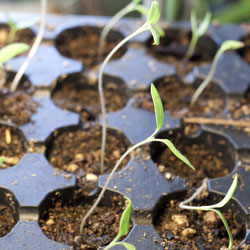 |
| Seedlings with adequate light are upright with straight stems. | Seedlings that don’t get enough light will be “leggy” and flop over. |
Light for Seedlings: The Foundation of Strong Growth
How Much Light Do Seedlings Need?
Seedlings need 16 hours of bright light per day to develop strong, upright stems and healthy foliage. Without enough light, seedlings become "leggy," stretching out and flopping over due to weak stem development.
Depending on what you're growing, seeds may require different lighting conditions to germinate:
-
Germinate in the dark: Pot marigolds, verbenas
-
Light indifferent: Hollyhocks, zinnias
-
Light needed: Lettuce, petunias
While a bright south-facing window might suffice for some seedlings, most gardeners benefit from using grow lights for consistent results. Adjustable-height grow lights let you raise the fixture as plants grow.
Understanding Seedling Development
The first set of leaves that emerge are cotyledons (seed leaves), which help jump-start growth. The second set are true leaves—a sign that your plant is developing normally and is ready for further care, such as transplanting and fertilization.
If your seedlings suddenly collapse at the base, you may be facing damping off, a fungal issue that kills young seedlings. Learn how to prevent it with our guide on damping off.
Transplanting Seedlings: Giving Them Room to Grow
Once your seedlings have developed their first set of true leaves, it’s time to transplant them into larger containers. Start by moving them from trays into 3–4 inch pots, which you can find in our plastic pots or biodegradable pots collections.
Transplanting Tips
-
Use a widger or nitpicker like the Nitpicker tool to lift seedlings gently from trays.
-
Handle seedlings by their leaves—not stems—to avoid crushing vital vascular tissues.
-
Replant them in a moistened soilless mix and firm gently around the roots.
-
Water immediately after transplanting to help them settle.
If you're using soil blocks, nest smaller blocks inside larger 4-inch soil blocks to give roots room to expand naturally.

Organic Fertilizer for Seedlings: Feeding for Success
When to Start Fertilizing
Once your seedlings are transplanted and true leaves are fully formed, it's time to introduce organic fertilizer for seedlings. These early stages are critical, and choosing the right organic plant food for seedlings can make all the difference in development.
Best Organic Fertilizer for Seedlings
We recommend the following high-quality, easy-to-use organic liquid fertilizers for seedlings:
-
Peaceful Valley Organic Liquid Fish Fertilizer – A nitrogen-rich formula ideal for green leafy growth.
-
Organic Liquid Kelp Fertilizer – Encourages root development and stress tolerance.
-
Maxicrop Kelp Extract – A concentrated kelp extract that boosts germination and plant vigor.
TIP: Instead of following a set fertilizing calendar, use 1/4 of the recommended fertilizer amount every time you water. This “low and slow” method prevents nutrient burn and promotes steady growth.
Use a dilute fertilizer labeled for seedlings only when nutrition is needed. Organic origin does not make a formula universally ideal or incapable of root injury. Choose a fertilizer labeled for seedlings and follow its dilution and frequency directions. Nutrient concentration, crop stage, and the fertilizer charge already present in the medium matter more than whether the ingredients are described as organic or synthetic.
Hardening Off: Preparing Seedlings for the Outdoors
Before transplanting seedlings to the garden, they need to be “hardened off”—acclimated to the outdoor environment. This prevents transplant shock and ensures they adjust to sun, wind, and temperature changes.
How to Harden Off Seedlings
-
Start two weeks before transplanting.
-
Move plants outdoors to a shaded area for 2–3 hours per day, gradually increasing their time in the sun.
-
Avoid wind and temperatures below 45°F.
-
Reduce watering slightly but don’t let the seedlings wilt.
-
Alternatively, place seedlings in a cool indoor area (45°F–50°F) for gradual exposure.
Our Seedling Care video demonstrates this step-by-step hardening process.
Looking for all your fertilizer and growing supply needs in one place? Browse our full collection of Fertilizer & Growing Supplies to give your seedlings and garden the best start possible.
Conclusion: Set Your Seedlings Up for Success
From sowing seed to applying organic fertilizer for seedlings, every step in the seed starting process plays a vital role in raising healthy, resilient plants. By providing proper lighting, preventing diseases, choosing the best containers, and feeding with organic seedling fertilizer, you create a strong foundation for your garden's future.
Growing from seed is both an art and a science—but with the right tools, techniques, and a little patience, you’ll be well on your way to a thriving, productive organic garden.
FAQs About Seed Starting and Seedling Care
What is the best fertilizer for seedlings?
What is the best way to start a seed?
What is seed starting formula?
What is the best way to sow a seed?
How do you take care of seedlings?
How to successfully grow seedlings?
How to take care of a sprouting seed?
Resource Area:
Integrated Pest Management (IPM)
Apply a systematic approach to prevent and manage indoor plant pests using natural methods:
- What Is Integrated Pest Management (IPM)? – Covers monitoring, prevention, and targeted treatments for pests.
- Organic House Plant Care and Pest Control – A guide to natural pest control methods for indoor plants.
Mastering the Calculator
Start by understanding how to use the Seed Planting Calculator to accurately schedule your indoor and direct sowing dates:
- Step‑by‑Step Guide to Using Our Seed Starting Calculator – Detailed guidance on using the calculator effectively.
- How to Use the Seed Starting Calculator – Shows how to calculate ideal planting dates based on frost timing and crop needs.
Transplant Shock-Free Transitions
Make planting day smooth with acclimation techniques, timing tips, and soil guidance:
- How to Transplant Your Seedlings & Small Plants – Details on timing, root preparation, and reducing transplant stress.
- Harden Off Your Seedlings – A must-read for minimizing transplant shock and prepping plants for garden life.
Related Fertilizer Guidance
This page supports Organic Fertilizer Guide: NPK, Types & How to Choose. Use that pillar for the complete decision process, then confirm the application with the current product label.
Continue through the Seed Starting resource path
For the complete workflow from planning through transplanting, return to the Seed Starting guide. Gardeners who are still at sowing and germination can start with Seed Starting 101. Before setting plants out, compare current conditions with the soil-temperature guide for vegetable starts and seedlings.

12 comments
Thank you for this article on hardening off the seedlings before transplanting. This is definitely an important step in taking your seedlings from their small starter environments and then replanting them either into the ground or a bigger pot. This is a big deal since I have realized that good, hardy seedlings don’t always take the transplant well, but this could be a way to get more plants to survive using this technique. Thank you for this planting tip.
Deb, you should be able to transplant into the garden from those trays. You should go through the hardening off process before putting them out though. Also plant in the evening or early morning to avoid transplant shock. You can also try feeding them with a little liquid kelp to also help prevent transplant shock.
Can I plant seedlings from the small 192 piece starter trays into the soil? I was told I could and tried it, but they did not grow. Did I need to feed them? Or is it really beneficial to prick them out into deep containers as I’ve done in the past with good results?
What kind of potting soil should I use when I transfer to 3”-4” pots? I’ve been using plain coco coir to start in. Is that enough combined with fertilizer once they get there true leaves?
What concentrations of your liquid fish and kelp feed do you recommend as you say 1/4 strength of what’s recommended?
Thank you
JC