
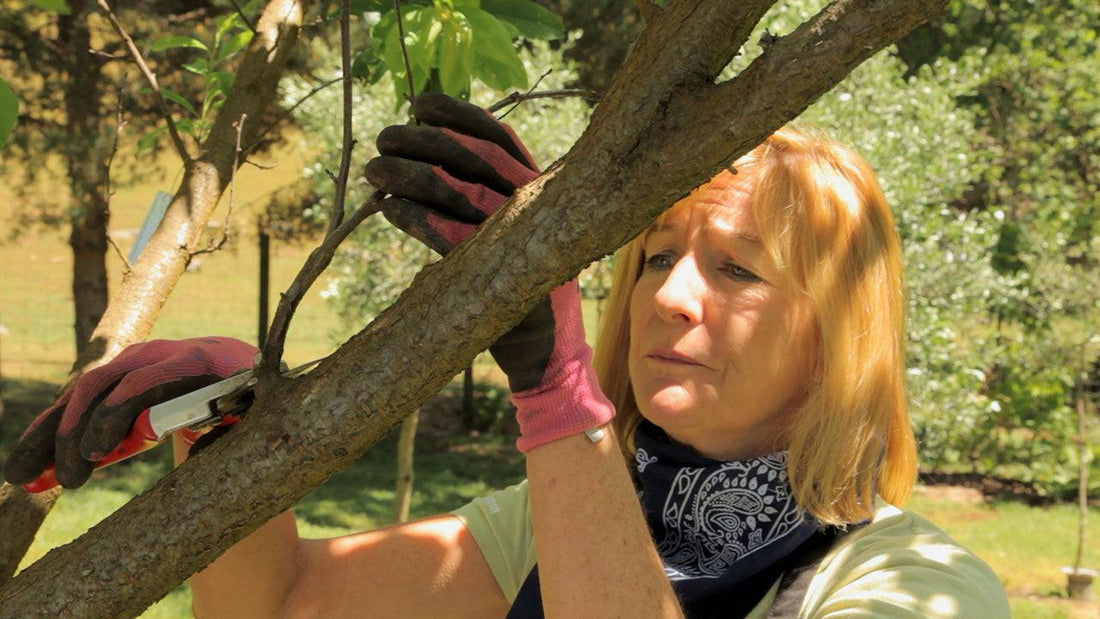
The Benefits of Pruning and Trimming Fruit Trees in Summer
Pruning fruit trees in summer isn't just about aesthetics—it's a smart technique to improve fruit quality, control size, and maintain overall tree health. While winter pruning encourages growth, summer pruning fruit trees helps reduce unwanted shoots, opens up the canopy for sunlight, and allows better air circulation. Whether you're shaping young trees or managing a mature orchard, here's what you need to know about trimming fruit trees in summer.
Why Prune Fruit Trees in Summer?
Summer pruning fruit trees helps control unwanted growth and manage the overall structure and size of the tree. Unlike winter pruning, which stimulates new shoots, summer pruning relies on thinning cuts that reduce energy production. Can you prune fruit trees in the summer? Yes—and in many cases, you should. Summer pruning is ideal for:
- Removing vigorous water sprouts (vertical shoots that drain energy)
- Exposing lower fruit to more sunlight for better ripening
- Reducing overall tree height for easier harvesting
- Improving airflow and minimizing disease risk
- Training young trees with strategic thinning cuts
If you’ve wondered, “Can you prune fruit trees in the summer?” or “Is it OK to prune fruit trees in summer?”—yes, especially for managing size and shaping young trees.

How to Prune in Summer: Techniques That Work
Use thinning cuts—removing branches at their point of origin rather than partway down the branch. This technique discourages new growth and helps maintain your desired tree form. Be sure to:
- Remove vertical water sprouts and overcrowded interior branches
- Open up the canopy to let in light
- Protect newly exposed branches with a 50/50 mix of white latex interior paint and water to prevent sunburn
With fewer leaves, your tree also produces less energy, helping slow vigorous growth. This makes summer pruning fruit trees a smart technique, especially when training young trees.
Equip yourself with quality tools like garden loppers and garden pruners for clean, precise cuts.

Pest Control Benefits
Trimming fruit trees in summer also supports pest management. If you notice damaged fruit from codling moths, aphids, or mites, prune out those affected branches. Just remember:
- Promptly dispose of pruned branches and damaged fruit
- Do not compost infested material
- Maintain good orchard sanitation to reduce pest cycles
When to Prune Apricot Trees and Cherry Trees in California
Apricot and cherry trees require special care. These stone fruits are prone to Eutypa dieback, a fungal disease that spreads through pruning wounds in rainy weather. That’s why the best time to prune apricot trees in California is in the summer, ideally July or August, when dry weather is expected.
If you've asked, “When to prune apricot trees in California?” or “When to prune apricot tree?” — the answer is summer, with at least six weeks of dry weather after pruning.
As the University of California notes:
“It is best to prune apricot and cherry trees in the summer (July or August) so that at least 6 weeks of rain-free weather are likely to follow the pruning.”

How Much Should You Prune?
Pruning intensity varies by fruit type. Here’s a quick guide:
- Peaches & nectarines: Remove up to 50% of new growth after harvest
- Plums & apricots: Prune only 20% of new growth
-
Cherry trees:
- First 5 years: prune lightly in summer to shape structure
- Mature trees: remove 10% of new growth
Wondering “When to prune apple trees?” or about pruning apple trees in summer? You can prune lightly to remove suckers and manage height, but save structural pruning for winter dormancy.
Conclusion: Summer Pruning Pays Off
Whether you're managing a backyard orchard or just a few trees in your garden, understanding when to prune fruit trees can make all the difference in their health, productivity, and longevity. As we’ve seen, pruning fruit trees in summer—especially through proper thinning cuts—helps control size, increase light exposure, reduce pest problems, and shape young trees effectively.
So, can you prune fruit trees in the summer? Yes—and in many cases, you should. From trimming fruit trees in summer to knowing when to prune apricot trees in California or when to prune apple trees, this seasonal approach offers both immediate and long-term benefits.
Equip yourself with the right tools, like high-quality garden loppers for thick branches and sharp garden pruners for precise cuts. Follow proper techniques and consult trusted resources like The Home Orchard and the UC pruning guide.
With care and good timing, your trees will reward you with healthier growth, better fruit quality, and easier harvests—season after season.
FAQs About Pruning Fruit Trees in Summer
Can you prune fruit trees in the summer?
Is it OK to prune fruit trees in summer?
When to prune fruit trees?
When to prune apricot trees in California?
When to prune apricot tree?
When to prune apple trees?
What’s the difference between trimming fruit trees in summer and winter?
Continue Learning: Related Fruit Tree Care Guides
-
Pruning Young Fruit Trees: Why Shorter Is Better
Discover how early, strategic pruning builds a solid foundation for your fruit trees. -
What Are Chill Hours? How Do I Count Them, and Why Do My Fruit Trees Care?
Learn how chill hour requirements affect bloom and fruit set—and how to track them by region. -
Fruit Tree Dormancy
Understand the dormant period, why it matters, and how it shapes pruning and care routines. -
High‑Density Planting and Pruning Fruit Trees for the Home Orchard
Maximize yield in small spaces with tight planting and smart pruning techniques. -
Pruning Fruit Trees: Choose Training Shapes for Apple, Peach, Cherry Trees
Learn about various pruning styles—like open center and central leader—and when to use them.
Explore More: Fruit Tree Resource Center
-
Fruit Trees Resource Center
A full library of articles and videos covering fruit tree selection, planting, seasonal care, pruning techniques, and more. Ideal for beginners and experienced growers alike.
Ready to Plant?
-
Fruit & Nut Tree Collection – Shop Now
Explore our curated selection of fruit and nut trees. Perfect for home orchards, backyard growers, or anyone starting a high-density planting system.
3 comments
Gregory- I’d check the fruit closely for plum curculio damage- there will be a dot of sap on the “ripening” fruit. This causes the fruit to change color while small and then fall off.
Gregory, you can prune the tall shoots to control the height. The fruit falling could be weather related or not enough water.
My Italian plum tree was coming on strong with plums this year. Noticed lots of new growth on top of tree. Now my plums are ripening pre-maturely and falling to the ground. Could this be related to the new growth> OK to prune growth off now to also control height? Thank you