

Introduction
Finding an apple with a worm can spoil the joy of harvest. The damage usually comes from insect larvae, often codling moth caterpillars or apple maggots. Each insect pest needs a different approach. An entry mark can hide a tunnel, so examine several fruits before choosing treatment. Early checks help protect the remaining crop.
Learning how to prevent worms in apples starts with checking fruit early, naming the pest, and protecting healthy apples before larvae reach them. This guide helps home gardeners identify and prevent wormy apples.
What kind of worms are in apples?
The term apple worms describes young insects, not earthworms. Use these differences to narrow down the cause:
| Clue | Codling moth | Apple maggot |
|---|---|---|
| Larva | Cream to pink caterpillar with a dark head; up to 3/4 inch long | Small, pale, legless maggot |
| Damage | Tunnel toward the core and seeds; brown droppings near entry | Winding brown trails through flesh; small skin dimples |
| Adult | Gray moth with coppery wing tips | Small fly with dark wing bands |
Compare Colorado State’s damage photographs with Minnesota’s apple maggot guide. Other insects can damage apples, so uncertain cases deserve a local Extension check.
How do worms get in apples?
Codling moths lay their eggs on leaves or fruit. Once eggs hatch, codling moth larvae bore inside. Adult apple maggot flies place eggs beneath the skin, where larvae feed after hatching. Codling moth caterpillars spend winter in sheltered cocoons, often beneath loose bark. Apple maggots usually spend winter as pupae in soil. Different hiding places call for different controls.
A worm inside apple fruit did not appear by itself. Understanding codling moth generations explains why fresh damage can follow an earlier outbreak. Warm regions may support more generations during the growing season than cooler areas.

Why do my apples have holes in them?
A worm hole in apple skin with crumbly brown material suggests codling moth damage. That material, called frass, is insect waste. Large open wounds can also come from birds or other insects.
When inspecting holes in apples on tree branches, check the stem, blossom end, and spots where fruits touch. Look for small holes, then cut through suspect areas. An apple with worm damage can show signs of larvae tunneling even after the insect leaves.
Separate insect feeding from other problems using our apple disease guide. A spot alone does not identify the pest. Photograph the skin, the cut surface, and any larvae beside a ruler. Record the date and apple variety. Check fruit from several branches, including shaded clusters and the outer canopy. Inspect several apples before judging the whole crop. These details help an Extension specialist distinguish similar damage without guessing from a single hole.
How to get rid of worms in apple trees
Remove damaged apples from branches. When fruit drops, collect it. Do not leave them beneath the tree or in a cool backyard compost pile, where insects may survive.
Thin clusters to one fruit while apples are small. This removes sheltered feeding sites and makes bagging easier. Utah State Extension includes thinning and fruit bagging among its control methods.
Add fruit cleanup to your winter garden checklist. Keep notes about damaged trees so next season’s protection starts early.

How to keep worms out of apples
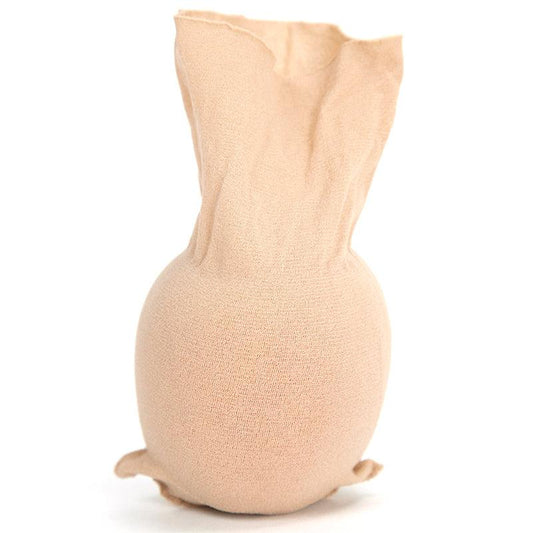
Bagging young, undamaged fruit is a natural way to prevent worms in apples. Thin first, then fit suitable bags before pests enter. Paper bags can exclude codling moth; plastic fruit bags need drainage openings.
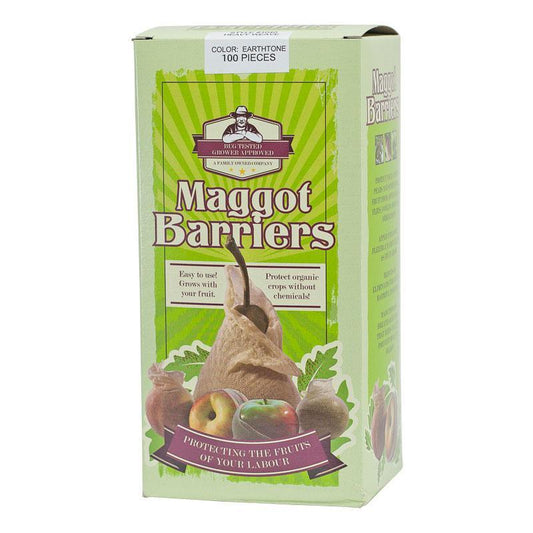
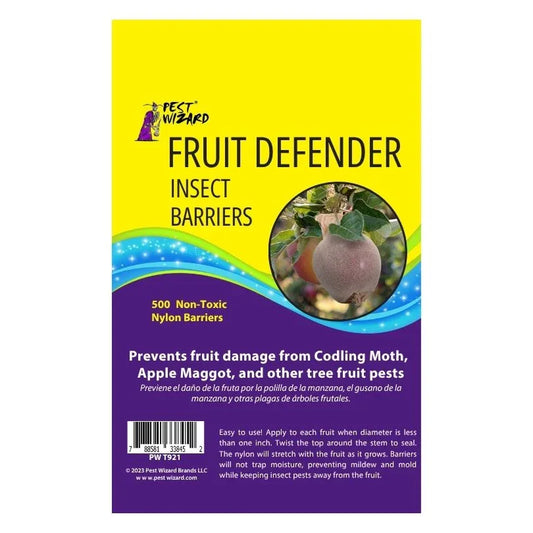
Choose apple maggot barriers and traps for the pest you identified. Materials matter: the heavier mesh barriers are nylon, while UC IPM’s codling moth guidance warns that nylon bags are ineffective against that pest. Do not assume all covers work equally well.
Check closures and replace torn bags. Already damaged fruit cannot be rescued by covering it. Start with fruit you can reach safely from the ground. Keep bags in place through harvest, checking that stems are not pinched. Paper covers may reduce red skin color, so check ripeness carefully.
How to stop worms in apples with monitoring
Use pest-specific lures to track adults. Codling moth pheromone traps attract males and help time treatment; they do not reliably protect a backyard crop alone.
Review how traps support pest management, then follow our spring monitoring guide. Apple maggot monitoring uses red spheres coated with adhesive. Check each sticky trap regularly.
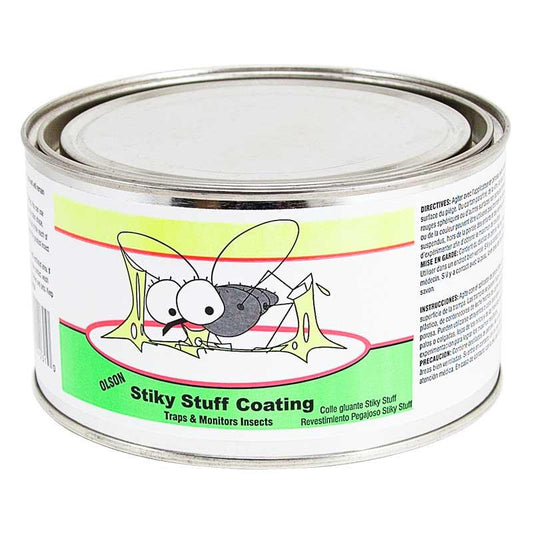
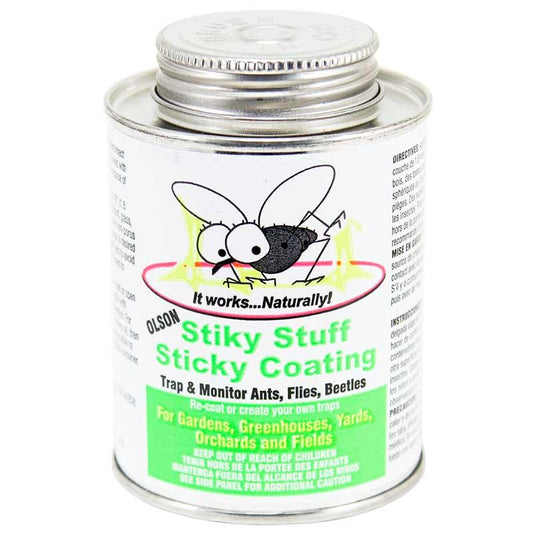
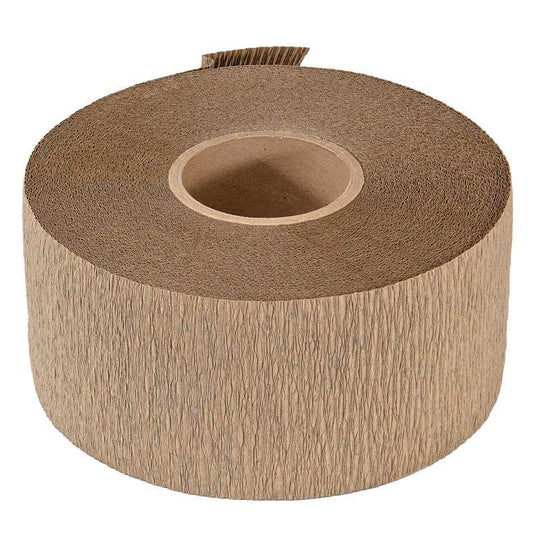
A trunk barrier made from paper tree wrap and sticky coating targets crawling insects. It cannot prevent moths or flies from reaching fruit. UC IPM no longer recommends cardboard trunk banding for home codling moth control.
When should you spray apple trees for worms?
Time treatment to the pest’s vulnerable stage. For codling moth, protection must reach hatching larvae before they enter fruit. Local traps and temperature models guide timing better than a fixed date.
In warm inland areas, monitoring may begin earlier and continue through more flights. Cooler sites often have fewer generations. Ask Extension for local alerts and follow the product label. Apple maggot timing also varies. In Minnesota, flies commonly appear from late June into early July and remain active through summer. That regional window is a monitoring example, not a national spray schedule. Rain, temperature, and local pest history can change your plan.
Michigan State’s organic management overview discusses options including virus products. Codling moth granulovirus targets these caterpillars; it does not control apple maggots.
Our kaolin clay overview explains particle barriers. For apples, choose a product labeled for the crop and pest. Maintain coverage as directed after rain and growth.
Do not assume Captain Jack’s neem oil will cure internal feeding. Compare insect control products by their labels, including harvest intervals and bee precautions. Avoid needless spraying that harms beneficial insects, including bees needed for apple pollination.
Conclusion
Managing worms in apple crops takes regular attention. Identify the insect, remove damaged fruit, and protect healthy apples early. Use integrated pest management and our pest control chart to organize your choices.
Planning a new orchard? Start with choosing an apple tree, compare bare root apple trees, and learn when trees begin bearing. A manageable tree makes inspection easier.


10 comments
My mom learned a long time ago from an old fella how to get rid of worms in apple trees…… He said if you have children or a sheep etc to clean up under the tree anything that is lying there the worms will not reinfect next season but keep them cleaned up! And she did for years and the farm apple trees all produced wormless apples from different varieties as long as she put the sheep in to eat them up and then we picked ate and sold them over the years. Never any sprays!
Cassie, well those moths can overwinter in fruit or debris on the ground so getting rid of the trees will not mean that the moths would be gone immediately. Plus if you have neighbors with apples, pears or walnuts, then the moths will still be present. Apples and pears are trees that take longer to mature, so I would not cut them down, unless they are not varieties that you do not care for or if the trees are unhealthy. But that is your call. But you can get them healthier by caring for them with proper pruning, fertilization, watering… unless they have something like fire blight, which can kill a tree if the infestation is on a large portion of the tree.
We bought a house that had sat a long time with mature apple, pear and prune trees. My husband talks about cutting them down and starting over. Would that actually help with the infestation or will the problem be the same?
I’m leaning toward putting in the work of years to help these trees to just be healthier again. Just curious if cutting the trees down and planting new ones would really get rid of the moths or not.
Thanks!
I have fire blight in my pears and codling moths in my apples. The fruit of both is now about 1 inch diameter size. Can I spray or put anything on the trees now with the growing fruit? It is June 19th 2019 and need to know what I can spray now with the trees producing. What do I spray in the fall/winter.
DJ, for fire blight now, you should prune out the branches that are infected. Make sure to sanitize your pruners after pruning. I cannot make any recommendations on what to use on your trees, but any apples that look like they are infested with worms (you can usually see a small area called a sting), should be removed and discarded into the garbage, not your compost. Here is a link to products listed for codling moths, https://www.groworganic.com/weed-and-pest-control/codling_moths.html.