
Introduction
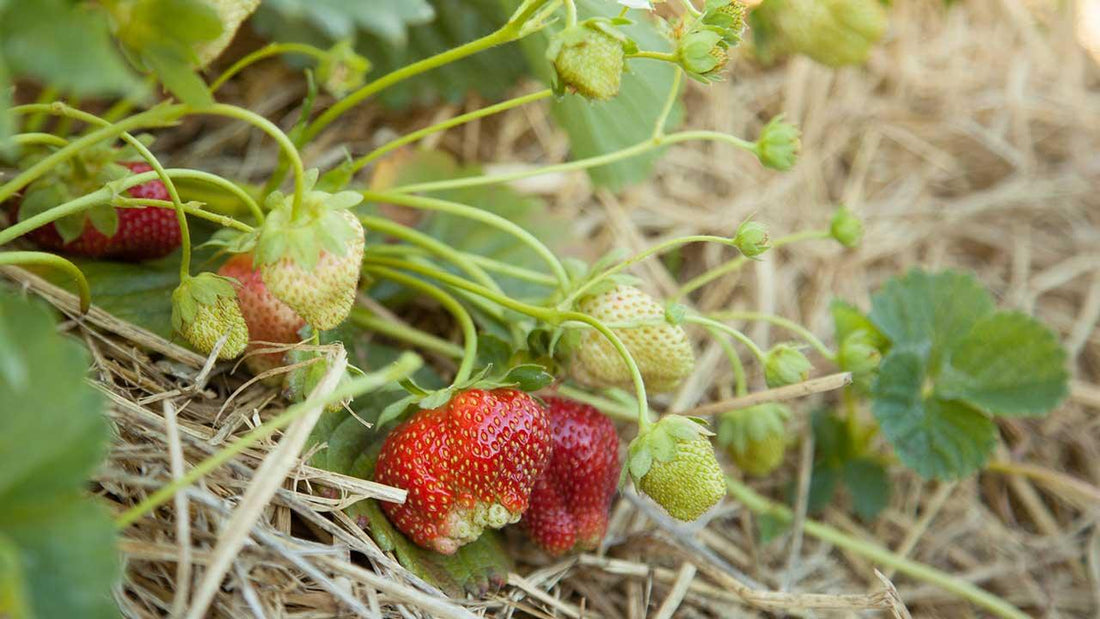
Growing strawberries in raised beds is one of the most rewarding ways to enjoy fresh, delicious berries straight from your garden. Raised beds offer excellent drainage, improved soil quality, and easy access for care and harvesting.
However, strawberry bed maintenance is essential to ensure your plants stay healthy and productive year after year. Whether you’re just starting your first strawberry patch or renovating an established bed, this guide will walk you through everything you need to know about how to maintain a strawberry patch for long-term success.

Why Raised Beds Are Ideal for Strawberries
Raised beds create the perfect environment for strawberry growing. These beds provide better control over soil quality and drainage, which helps prevent root rot and other moisture-related problems. Strawberry plants thrive in slightly acidic soil with a pH between 5.5 and 6.5. Before planting, perform a soil test using one of our soil testing kits to check nutrient levels and acidity.
If the soil is too alkaline, amend it with acid-loving fertilizer to improve conditions for strong plant growth. You can also add compost or aged manure to enrich the soil with organic matter. For gardeners looking to simplify setup, explore raised bed kits to create a productive strawberry bed quickly and efficiently.
Raised beds warm up faster in early spring, allowing for earlier planting and extended growing seasons—ideal for June bearing varieties and day neutral variety strawberries.

Choosing and Planting Strawberry Varieties
Understanding types of strawberries helps you plan for continuous harvests.
- June bearing strawberries produce one large crop per year in late spring or early summer.
- Everbearing strawberries produce smaller but multiple harvests throughout the season.
- Day neutral variety strawberries fruit continuously from spring through fall, making them a great choice for consistent yields.
When planting, ensure the crowns of the plants (where leaves meet roots) sit level with the soil surface—burying them too deep can cause rot. Follow this strawberry planting guide for step-by-step instructions.
For more insights, explore our video on growing strawberries or the complete strawberry growing guide.

Essential Strawberry Bed Maintenance Tips
1. Soil and Water Management
Healthy strawberry beds rely on consistent watering and balanced nutrients. Use soaker hoses or drip irrigation to deliver moisture directly to the roots while keeping foliage dry, reducing fungal diseases.
Feed plants during the growing season with a balanced organic fertilizer such as Rose, Flower & Bulb Mix 4-8-4. For gardeners who want one convenient source of nutrient options, check out our Fertilizers & Growing Supplies collection, which includes organic blends, amendments, and soil health supplements tailored for berry beds. Check our Fertilizer Solution Chart to match nutrients to your soil test results.
2. Mulching and Weed Control
Mulch your strawberry patch in early spring with straw or biodegradable mulch. This helps regulate soil temperature, conserve moisture, and suppress weeds. Proper mulching also keeps berries clean and minimizes contact with soil-borne pathogens.
For in-depth techniques, see Mulch: Beyond the Basics.

3. Pruning and Renovation
After harvest, strawberry patch maintenance becomes critical. For June bearing strawberries, mow or trim plants back to about two inches above the crowns of the plants. Remove weeds, old leaves, and excess runners. Since strawberries send out runners aggressively, thin them to prevent overcrowding and encourage larger fruit.
Rejuvenate beds by thinning out older plants and keeping the healthiest new ones. Learn more about renovating strawberries for sustained fruit production.
4. Pest and Disease Management
Good air circulation and proper spacing are vital in preventing fungal diseases. Regularly check for aphids, slugs, and spider mites. Control them using organic methods described in pest and disease management for strawberry plants.
You can also introduce beneficial insects or companion plant with flowers that attract natural predators—see The Best Flowers to Attract Beneficial Insects for ideas.
Seasonal Strawberry Bed Care
Spring: Preparing for Growth
In early spring, remove winter mulch, weed the bed, and apply fresh compost. Check soil pH and amend as needed with acid-loving fertilizer. Make sure plants receive full sun to boost plant growth and fruit production.
Summer: Managing Growth and Harvest
During summer, water regularly and continue mulching. For June bearing varieties, remove spent flower stalks to redirect energy toward next year’s buds. Day-neutral and everbearing types should be harvested frequently for best flavor and continuous fruiting.
Fall: Preparing for Dormancy
Trim back old leaves and runners, leaving healthy crowns intact. Apply a layer of straw or biodegradable mulch for insulation. For guidance on fall maintenance, see Fall Planting Strawberries in Northern California.
Winter: Protecting and Planning Ahead
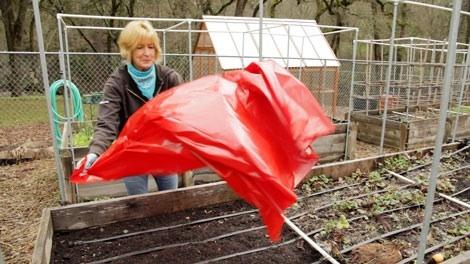
Before hard frost, cover beds with straw or row covers to protect plants from extreme cold. If you use raised beds, consider building a simple hoop cover—follow this hoophouse tutorial—to keep your strawberry plants warm and ready for an early start next spring.

Conclusion
Proper strawberry bed maintenance ensures healthy, long-lasting plants that reward you with sweet, delicious berries every year. Whether you’re managing June-bearing strawberries or a day-neutral variety, growing strawberries in raised beds makes it easier to succeed by offering ideal soil, drainage, and sunlight conditions.
To get started or expand your strawberry patch, explore our wide selection of strawberry plants and learn expert techniques in our guide on how to grow big strawberries organically. With consistent care, your bed will support strong plants, and your strawberry plants will stay vibrant and productive for many fruitful seasons to come.




14 comments
Rain, I think the article has everything you need for renewing your strawberry patch. Cutting back plants, thinning out plants and suckers is probably the most important.
We are located in southern Ontario near Niagara peninsula. We have a designated strawberry bird free permanent structure. We have now harvested our 3rd year of June bearing strawberries. We were shy on rain this past spring, and the lean crop proved the low amount of moisture. the plants were very healthy, and strong, with plenty of runners. Because our structure is permanent, could I ask how to “rejuvenate/renew” this patch?
Diane, 2 years is not very old for a strawberry bed. Did you get any flowers? How is your soil fertility? Do your plants look healthy? You might just need to give them a little fertilizer once they start growing in the spring. Feed with a fertilizer that is higher in phosphorus for the fruit. Sometimes a bulb fertilizer is a good mix.
just learnig now how to maintain My 2 year old strawberry raised bed which did not produce last season 2021.
I didn’t do any preperation for 2022 Season. What Can I do in the Spring.e. Early April ( I’m in Connecticut) fo maintainance and renovation?
Cathy, you probably should not cut them back until dormancy. So if you have already cut them back and you do not get any summer rain, yes you should continue to water them.