
Collection: Organic Fertilizer & Natural Fertilizer
Feed your plants with organic fertilizers!

-
Sale
Calphos Soft Rock Phosphate - Regular Powder (50 lb)
21% offRegular price $22.99Sale $22.99Unit price per$28.99Regular priceSale -
Citrus & Fruit Tree Food 7-3-3 (4 lb bag)
Regular price $11.99Sale $11.99Unit price per$11.99Regular price -
Acid Mix 4-3-6 (5 lb Box)
Regular price $15.99Sale $15.99Unit price per$15.99Regular price -
Sale
Nutri-Rich 4-3-2 Fertilizer Pellets (50 lb)
10% offRegular price $13.99Sale $13.99Unit price per$15.49Regular priceSale -
Sale
Azomite Micronized (44 lb)
7% offRegular price $27.99Sale $27.99Unit price per$29.99Regular priceSale -
Oyster Shell Flour (50 lb)
Regular price $25.99Sale $25.99Unit price per$19.99Regular price -
Diamond K Solution Grade Gypsum (50 lb)
Regular price $17.99Sale $17.99Unit price per$14.99Regular price -
Sale
Peaceful Valley Organics All Purpose Pelleted Fertilizer 4-3-2 (50 lb)
28% offRegular price $12.99Sale $12.99Unit price per$17.99Regular priceSale -
Fish Bone Meal 4-12-0 (5 lb)
Regular price $15.99Sale $15.99Unit price per$12.99Regular price -
Tomato & Vegetable Food 4-5-3 (4 lb bag)
Regular price $11.99Sale $11.99Unit price per$11.99Regular price -
Azomite - Micronized (2 lb)
Regular price $9.99Sale $9.99Unit price per$6.49Regular price -
Bone Meal 3-15-0 (5 lb Box)
Regular price $17.99Sale $17.99Unit price per$17.99Regular price -
Sale
Organic Feather Meal 12.8-0-0 (50 lb)
29% offRegular price $49.99Sale $49.99Unit price per$69.99Regular priceSale -
Sale
Organic Blood Meal 13.6-0-0 (50 lb)
19% offRegular price $68.79Sale $68.79Unit price per$84.99Regular priceSale -
Sale
Blood Meal 12-0-0 (4 lb Box)
12% offRegular price $21.99Sale $21.99Unit price per$24.99Regular priceSale -
Sale
Down to Earth Bio-Live Fertilizer (50 lb)
19% offRegular price $104.99Sale $104.99Unit price per$129.99Regular priceSale -
Down to Earth All Purpose Mix 4-6-2 (5 lb Box)
Regular price $15.99Sale $15.99Unit price per$15.99Regular price -
Fish Bone Meal 4-12-0 (40 lb)
Regular price $85.99Sale $85.99Unit price per$75.99Regular price -
Acid Mix (25 lb Bag)
Regular price $48.99Sale $48.99Unit price per$5.99Regular price -
Sale
Peaceful Valley Organic Liquid Kelp
31% offRegular price $8.99Sale $8.99Unit price per$12.99Regular priceQualifies for free shippingSale -
Sale
Bio-Live 5-4-2 Fertilizer (4 lb)
9% offRegular price $20.99Sale $20.99Unit price per$22.99Regular priceSale -
Langbeinite 0-0-22 Fertilizer (5 lb box)
Regular price $16.99Sale $16.99Unit price per$15.99Regular price -
Ultra Bloom 0-10-10 (15 lb bag)
Regular price $36.99Sale $36.99Unit price per$36.99Regular price -
Tomato & Vegetable Food 4-5-3 (15 lb bag)
Regular price $36.99Sale $36.99Unit price per$36.99Regular price -
Sale
Citrus Mix Fertilizer 6-3-3 (5 lb)
10% offRegular price $17.99Sale $17.99Unit price per$19.99Regular priceSale -
Sale
Organic Blood Meal 13.6-0-0 (25 lb)
12% offRegular price $37.99Sale $37.99Unit price per$42.99Regular priceSale -
Sure Start 4-6-2 (4 lb bag)
Regular price $11.99Sale $11.99Unit price per$11.99Regular price -
Peaceful Valley Organic Liquid Fish 2-3-0.5
Regular price $27.99Sale $27.99Unit price per -
Alfalfa Meal (4 lb Box)
Regular price $13.99Sale $13.99Unit price per$13.99Regular price -
Down To Earth All Purpose Mix 4-6-2 (25 lb bag)
Regular price $47.99Sale $47.99Unit price per$47.99Regular price -
Bio-Fish All Purpose 7-7-2 Fertilizer (5 lb)
Regular price $17.99Sale $17.99Unit price per$15.99Regular price -
Ultra Bloom 0-10-10 (4 lb bag)
Regular price $11.99Sale $11.99Unit price per$11.99Regular price


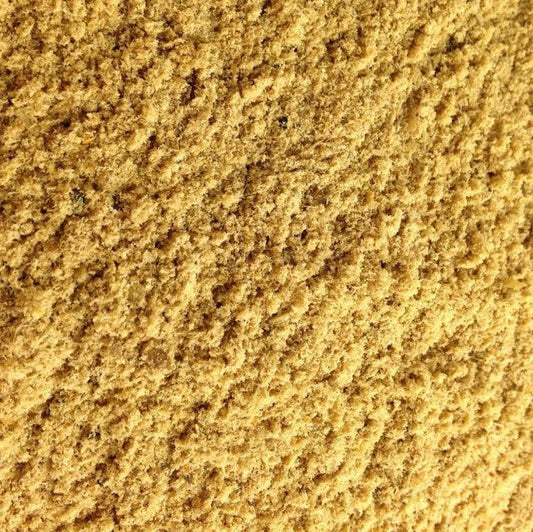


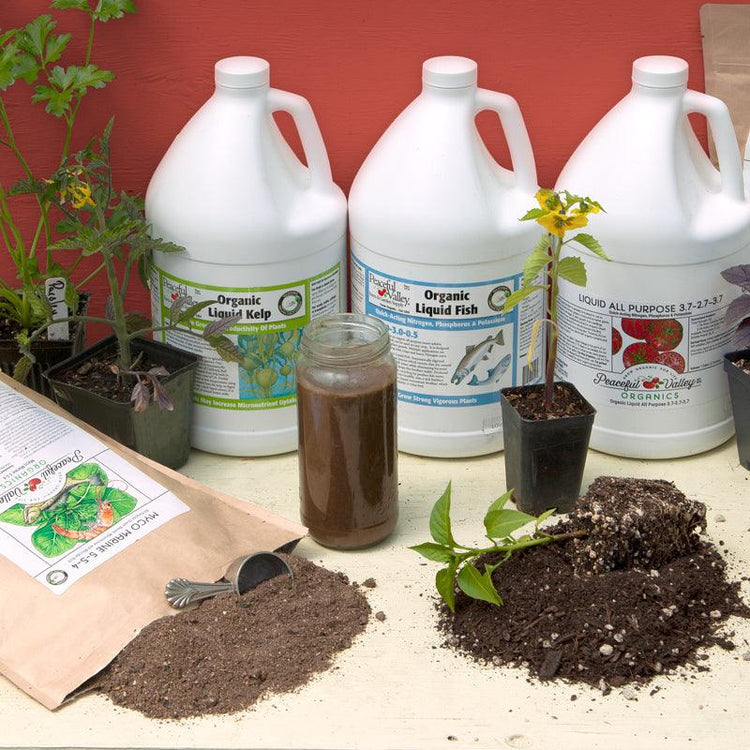
Organic and Natural Fertilizer for Every Garden
Choosing the right natural and organic fertilizer is essential for a thriving home garden, vegetable garden, or farm. Our selection includes a wide range of organic fertilizers and natural fertilizers, made from organic matter, organic materials, and other natural ingredients, offering both certified organic and natural blends.
Whether you're improving fertilizers soil for long-term health or boosting seasonal plant growth, these products are designed to feed your plants naturally and support beneficial soil microbes — and even attract beneficial insects. They are ideal for use across the growing season.
Unlike synthetic fertilizers, our slow release options work gently with nature, helping to build soil to feed future crops while enhancing soil structure, moisture retention, and fertility.
Why Choose Our Organic Fertilizer for Plants?
- Supports strong growth for outdoor plants, perennials, and fruit trees
- Includes organic plant fertilizer and natural fertilizer for plants options
- Ideal for containers, raised beds, and organic fertiliser plant systems
- Available in granular, pelleted, powdered, and liquid forms for flexibility
- Trusted by gardeners shopping online or at local garden centers
- Updated regularly with seasonal fertilizer offers
Ingredients include wood ash, composted manure, and kelp—perfect organic plant food for every need.
Learn More About Organic and Natural Fertilizers
- Granular, Pelleted, Soluble & Liquid Fertilizers – Which is Best?
- Common Gardening Fertilizer Myths
- How to Use Fertilizers: Bone Meal
- How to Use Fertilizers: Calcium
- What Is Biochar?
- How to Use Soil Amendments: Rice Hulls
- Kelp Meal: A Sustainable and Nutritious Way to Fertilize Your Garden
- Chicken Manure: The Perfect Fertilizer for Your Vegetable Garden
- Choosing the Best Poo for You
- Seed Starting 201: Seedling Care, Light, Transplanting, Fertilizing, and Hardening Off