
Collection: Natural & Organic Pesticides
Get rid of insect pests with organic products

-
Sale
Monterey Neem Oil 70% Concentrate (Pint)
11% offRegular price $27.99Sale $27.99Unit price per$31.49Regular priceQualifies for free shippingSale -
Sale
Organic Monterey Horticultural Oil (Qt)
12% offRegular price $14.99Sale $14.99Unit price per$16.99Regular priceQualifies for free shippingSale -
Organic Monterey Horticultural Oil (Gal)
Regular price $41.99Sale $41.99Unit price per -
Organocide Concentrate (Quart)
Regular price $33.99Sale $33.99Unit price per$24.99Regular priceQualifies for free shipping -
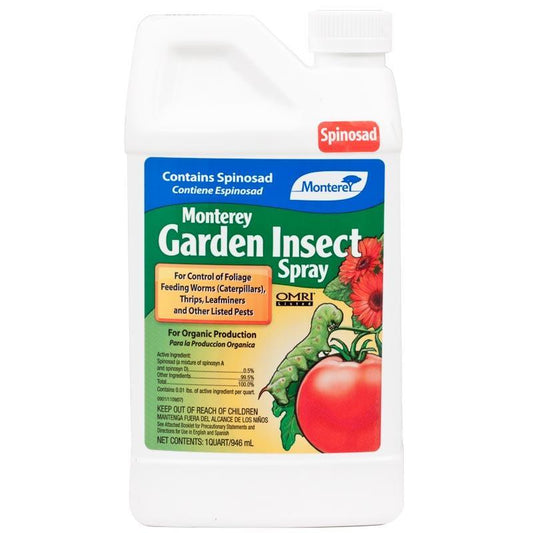
Monterey Garden Spray Concentrate - Spinosad (Quart)
Regular price $38.99Sale $38.99Unit price per$4.99Regular priceQualifies for free shipping -
Sale
Organocide Ready To Use (24 Oz)
5% offRegular price $18.99Sale $18.99Unit price per$19.99Regular priceQualifies for free shippingSale -
Sale
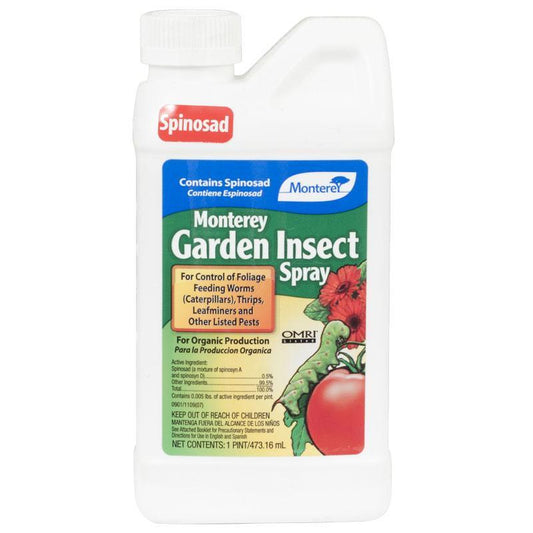
Monterey Garden Spray Concentrate - Spinosad (Pint)
2% offRegular price $24.99Sale $24.99Unit price per$25.49Regular priceQualifies for free shippingSale -
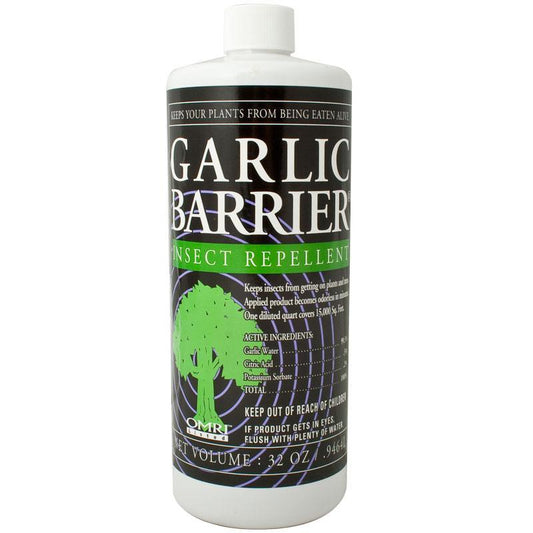
Garlic Barrier (Quart)
Regular price $22.99Sale $22.99Unit price per$19.99Regular priceQualifies for free shipping -
Sale
Monterey Neem Oil Ready To Use (Qt)
29% offRegular price $16.99Sale $16.99Unit price per$23.99Regular priceQualifies for free shippingSale -
Sale
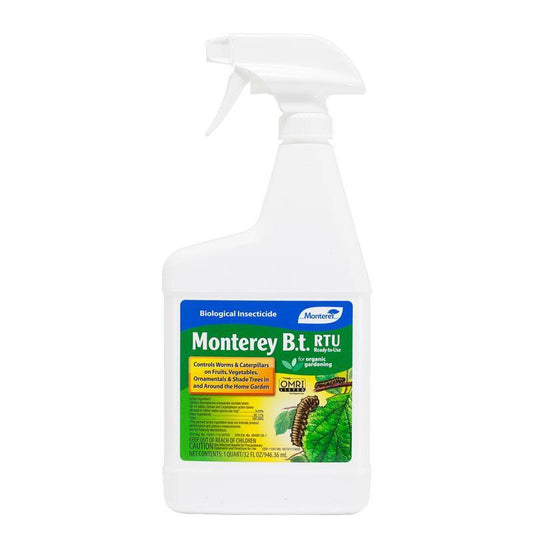
Monterey Ready to Use B.t. (Qt)
15% offRegular price $16.99Sale $16.99Unit price per$19.99Regular priceQualifies for free shippingSale -
Sale
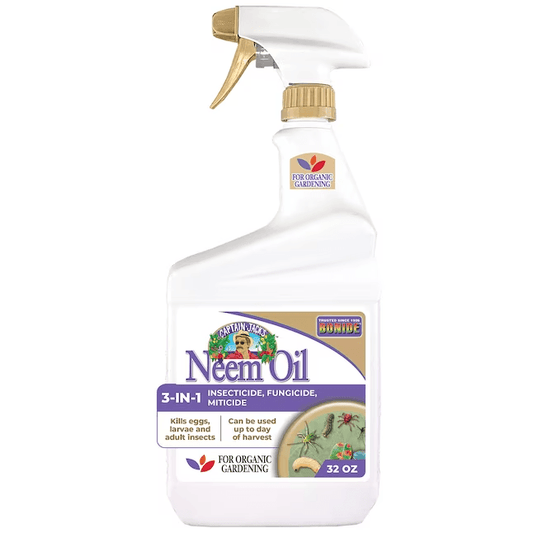
Bonide Captain Jacks Neem Oil Ready to Use (32oz)
13% offRegular price $12.99Sale $12.99Unit price per$14.99Regular priceQualifies for free shippingSale -
Sale
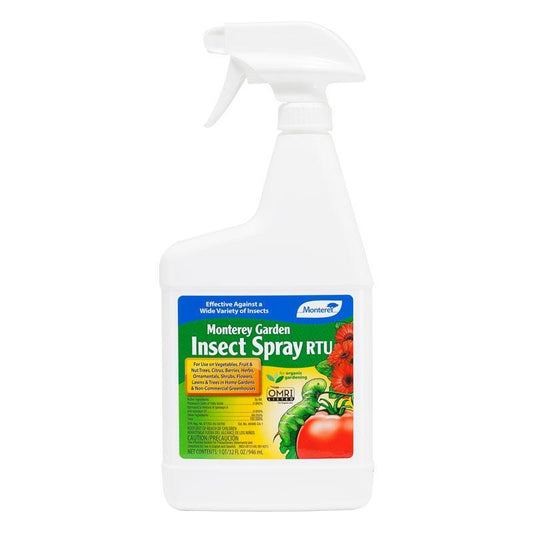
Monterey Garden Insect Spray Ready To Use (Qt)
26% offRegular price $12.99Sale $12.99Unit price per$17.49Regular priceQualifies for free shippingSale -
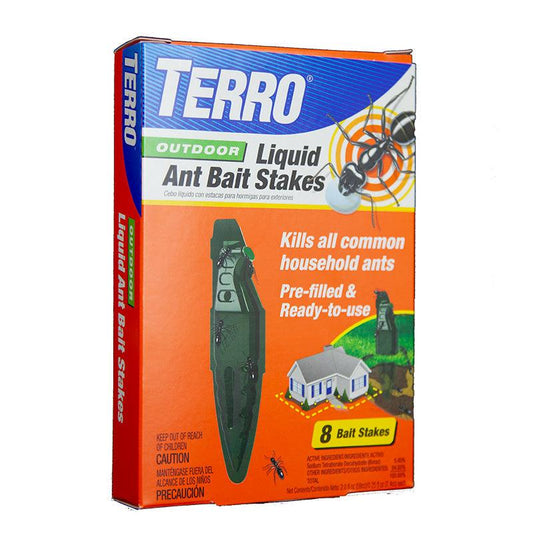
Terro Outdoor Ant Bait Stakes (8/pk)
Regular price $13.99Sale $13.99Unit price per$11.99Regular priceQualifies for free shipping -
Sale
Monterey B.t. Concentrate (Gal)
10% offRegular price $84.99Sale $84.99Unit price per$94.49Regular priceSale -
Sale
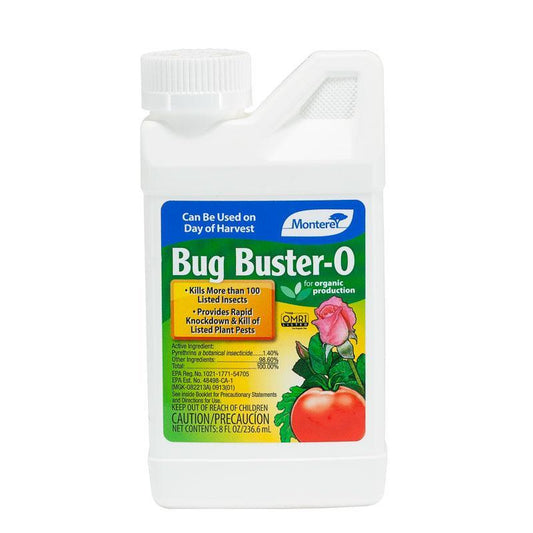
Monterey Bug Buster-O (8 oz)
13% offRegular price $38.99Sale $38.99Unit price per$44.99Regular priceQualifies for free shippingSale -
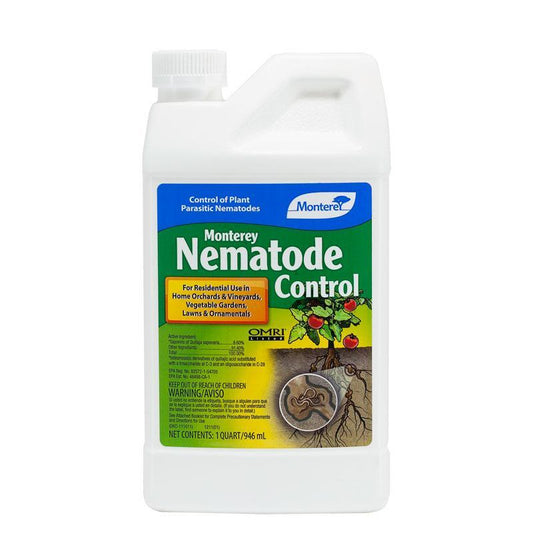
Monterey Nematode Control (Qt)
Regular price $65.99Sale $65.99Unit price per$52.49Regular price -
Sale
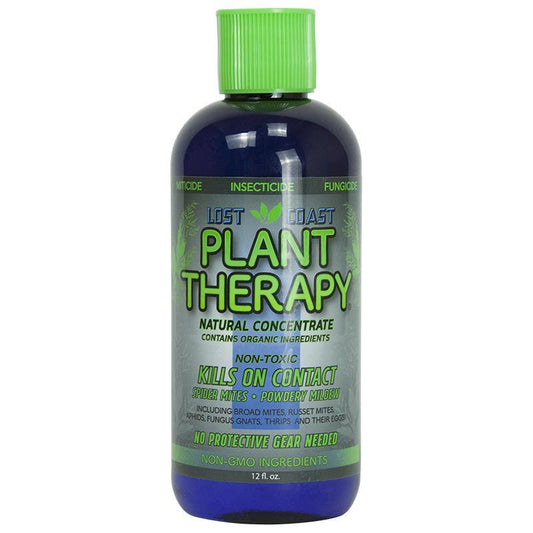
Lost Coast Plant Therapy (12 oz)
18% offRegular price $41.99Sale $41.99Unit price per$51.49Regular priceQualifies for free shippingSale -
Sale
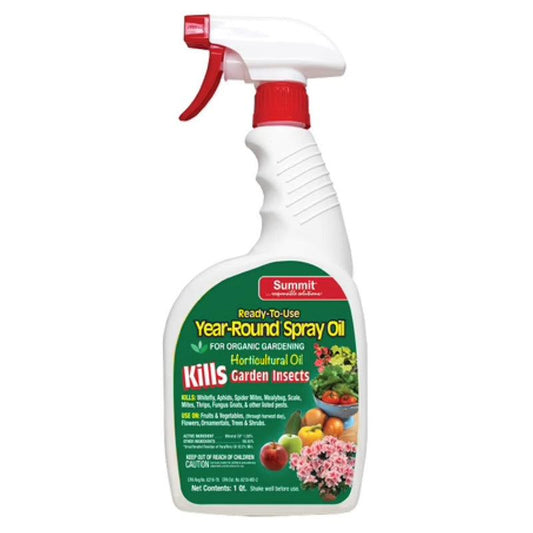
Organic Summit Year Round Horticultural Spray Oil RTU (Qt)
19% offRegular price $12.99Sale $12.99Unit price per$15.99Regular priceSale -
Sale
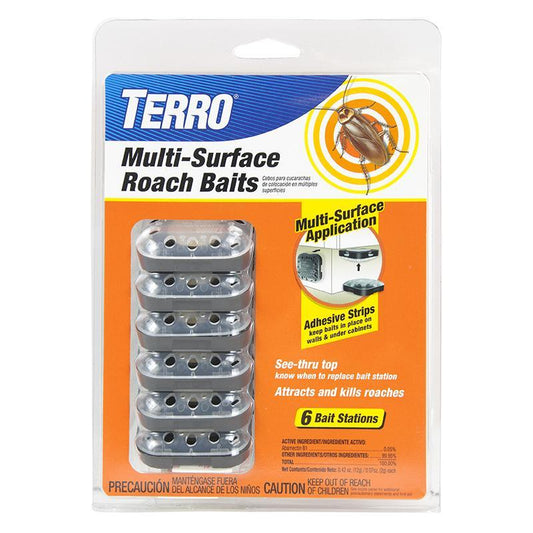
Terro Multi-Surface Roach Bait (6/pk)
25% offRegular price $14.99Sale $14.99Unit price per$19.99Regular priceSale -
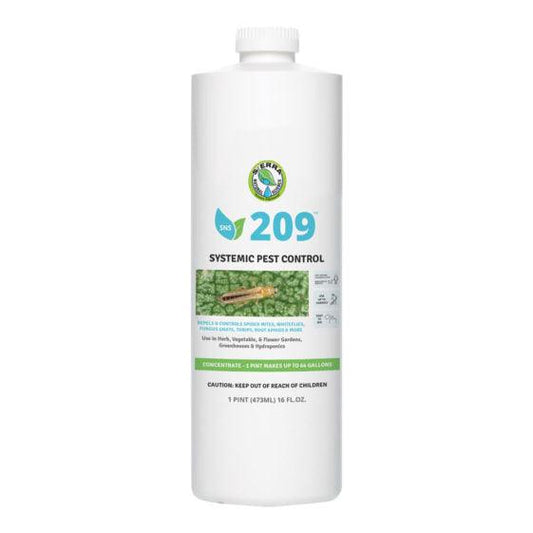
SNS 209 Systemic Concentrate (16 oz)
Regular price $24.99Sale $24.99Unit price per$24.99Regular priceQualifies for free shipping -
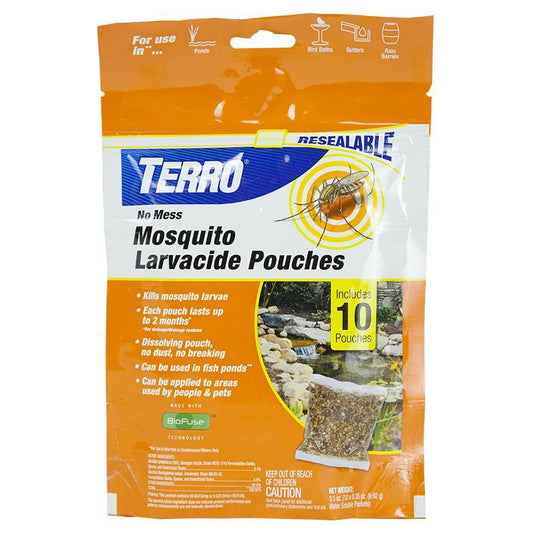
Terro Mosquito Larvacide Pouch (10/pk)
Regular price $19.99Sale $19.99Unit price per -
New
Organic Arber Bio Insecticide Concentrate
Regular price $24.99Sale $24.99Unit price per -
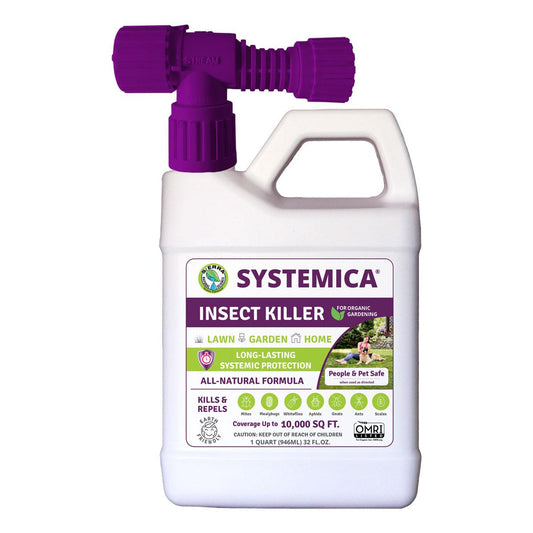
Systemica Insect Killer Hose End Spray (32 oz)
Regular price $29.99Sale $29.99Unit price per$29.99Regular priceQualifies for free shipping -
Lost Coast Plant Therapy 1 Gallon
Regular price $259.99Sale $259.99Unit price per -
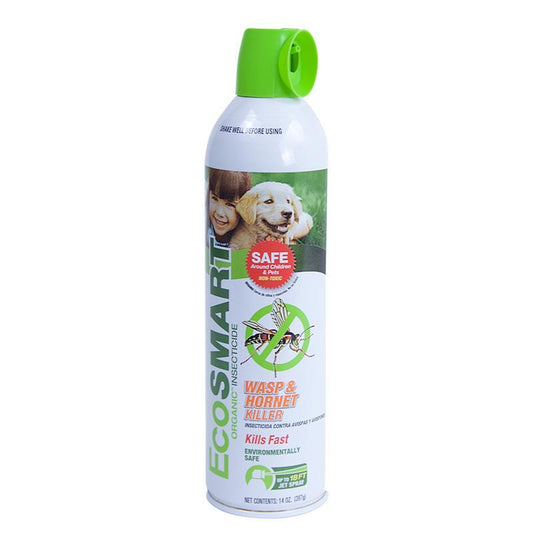
EcoSmart Wasp & Hornet Killer (14 oz)
Regular price $12.99Sale $12.99Unit price per$14.49Regular priceQualifies for free shippingSold out -
Safer Crawling Insect Killer (4 lb)
Regular price $26.99Sale $26.99Unit price per$19.99Regular priceSold out -
Organocide Concentrate (2.5 Gallon)
Regular price $101.99Sale $101.99Unit price per$139.00Regular priceEST. availability: Jun 10, 2026Sold out -
Safer Insecticidal Soap Concentrate (Pint)
Regular price $17.99Sale $17.99Unit price per$23.99Regular priceQualifies for free shippingSold out -
Garlic Barrier AG+ (Gallon)
Regular price $99.99Sale $99.99Unit price per$99.99Regular priceSold out -
Monterey Garden Spray Concentrate - Spinosad (Gallon)
Regular price $122.99Sale $122.99Unit price per$139.99Regular priceSold out










Collection: Organic Pesticides for Natural Garden Pest Control
Organic Pesticides for Garden Pest Control
Our curated selection of organic pesticides provides effective, eco-conscious solutions for managing pests in home gardens, farms, and landscapes. These pesticide products are approved for use in organic agriculture under the USDA’s National Organic Program and are ideal for the organic gardener seeking safe, targeted pest control.
Best Organic Pest Control Solutions
We carry a wide range of natural pesticides for garden use that support organic food production and soil health—without the use of synthetic substances.
Popular options include:
- Neem oil – Extracted from the neem tree, this versatile organic insecticide acts as a fungicide and miticide. It effectively targets soft bodied insects like aphids, whiteflies, and spider mites while also preventing fungal diseases.
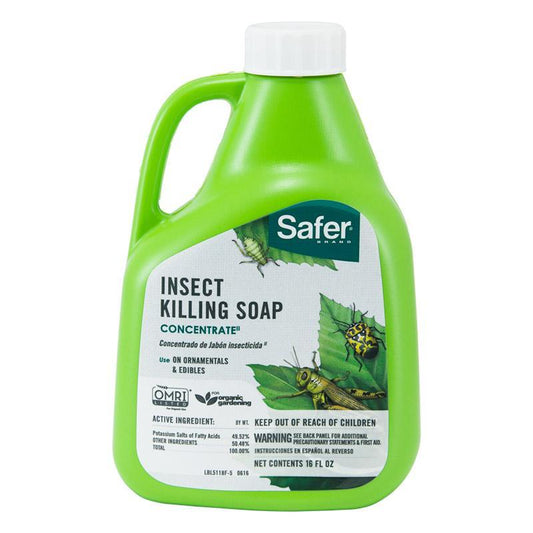
- Insecticidal soaps – Made from natural substances and mild liquid soap, these sprays damage insect membranes on contact and are safe for edible crops.
- Diatomaceous earth – A mineral-based plant pesticide composed of fossilized algae that dehydrates crawling insects like beetles, ants, and fleas.
- Spinosad – A bacteria-based organic insect spray for plants, highly effective against caterpillars and other leaf-chewing pests, and often ranked as the best organic pesticide for vegetables.
- Horticultural oils – Include essential oil-based and mineral oil options that smother scale, mealybugs, and mites, particularly effective when used as dormant sprays.
Types of Natural & Organic Pesticides
Botanical and Biological Options:
- Neem Oil Concentrates & RTU Sprays (e.g., Monterey, Bonide, Organocide): Disrupt insect feeding and development cycles.
- Safer Insecticidal Soap: Formulated with potassium salts and mild liquid soap to combat soft bodied insects.
- Monterey Garden Spray (Spinosad): Targets larvae and caterpillars with minimal impact on pollinators.
- Bacillus thuringiensis (Bt): A selective microbial pesticide effective only on specific pests like caterpillars.
- Organocide: Combines multiple essential oils for broad-spectrum control.
Safe and Effective for Organic Gardening
These natural pesticides for plants are ideal for organic production and organic farming, minimizing harm to beneficial insects and the surrounding ecosystem.
Key benefits:
- Safe around children, pets, and wildlife when used according to the product label
- Reduces reliance on synthetic substances
- Compatible with companion planting and organic food gardening
- Suitable for vegetables, fruit trees, herbs, ornamentals, and greenhouse crops
Application Tips for Maximum Effectiveness
- Always read and follow the product label instructions carefully.
- Apply soap spray and oil-based pesticides during early morning or late afternoon to avoid harming pollinators.
- Use organic insect sprays for plants consistently and rotate products to prevent resistance.
- Avoid spraying during windy weather or high bee activity.
- Store your garden pesticide in a cool, dry place to maintain potency.
Trusted Products in This Collection
- Monterey Neem Oil (RTU & Concentrate) – Multi-purpose organic insecticide that controls insects, mites, and fungal diseases.
- Safer Insecticidal Soap – Fast-acting soap spray that targets soft bodied insects like aphids and whiteflies.
- Organocide Ready-To-Use & Concentrate – Uses essential oils to control pests and fungal issues without harming beneficial insects.
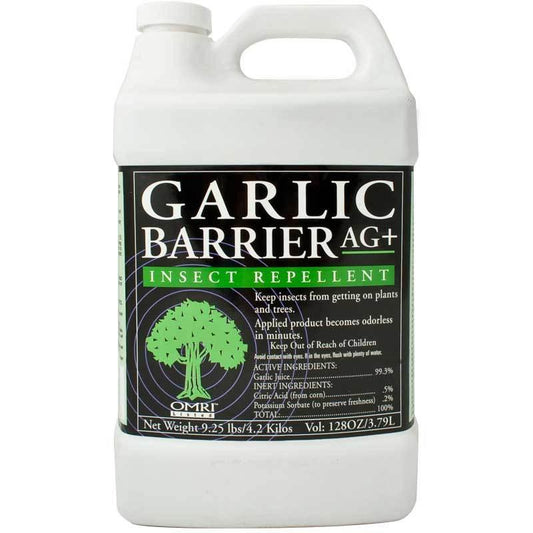
- Garlic Barrier AG+ – A natural, garlic-based repellent that deters insect pests without affecting edible crops.
- Lost Coast Plant Therapy – All-in-one organic insect spray for plants using natural substances to kill and prevent soft-bodied insects and mildew.
- Monterey Garden Spray (Spinosad) – Bacteria-derived solution that controls caterpillars, thrips, and leafminers on vegetables.
-
Summit Horticultural Spray Oil – An oil-based pesticide ideal for year-round control of scales, mites, and whiteflies.
Learn More: Organic Pest Control Resources
Boost your knowledge of organic pest control, IPM, and application strategies with these expert articles:
-
How to Apply Organic Pesticides Effectively
Learn best practices for timing, weather conditions, and dosage to get the most from your organic insect spray for plants. -
How to Do the Best Organic Pest Control with IPM
Explore how integrated pest management (IPM) complements organic pest control to create a balanced ecosystem. -
Interested in IPM? Here's Why You Should Be
Discover how IPM can help reduce the need for any pesticide product by focusing on prevention and natural controls.
Take the Natural Route to Pest Control
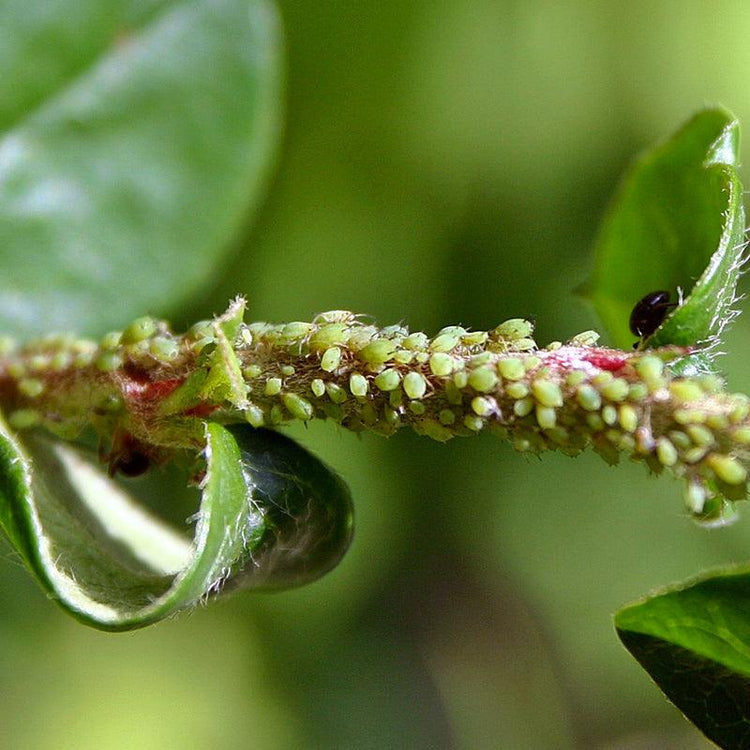
Support a healthy, sustainable garden with organic pesticides for garden and pesticides for plants that align with your values and protect the environment. Whether you're tackling aphids, caterpillars, or fungal threats, our collection delivers the natural pesticides for garden success every organic gardener needs.
Explore our full range of organic pest control products and find the best solution for your garden today.