In this video, Tricia shares her tips for planting and growing asparagus.
How to Grow Fresh Asparagus in Your Garden
Asparagus is a delicious and perennial vegetable that can reward your garden with fresh harvests for 15 to 20 years. While the initial planting requires some effort, the long-term benefits make it well worth the investment. Whether you're in USDA zone 4 or 8, here’s how you can grow your own asparagus and enjoy it year after year.
Preparing the Soil
A well-prepared asparagus bed is key to long-term productivity. Asparagus thrives in full sun, loose soil, and good drainage. If you’re not planting in raised beds, double-dig your soil:
- Remove the topsoil and loosen the subsoil to a depth of about 12 inches.
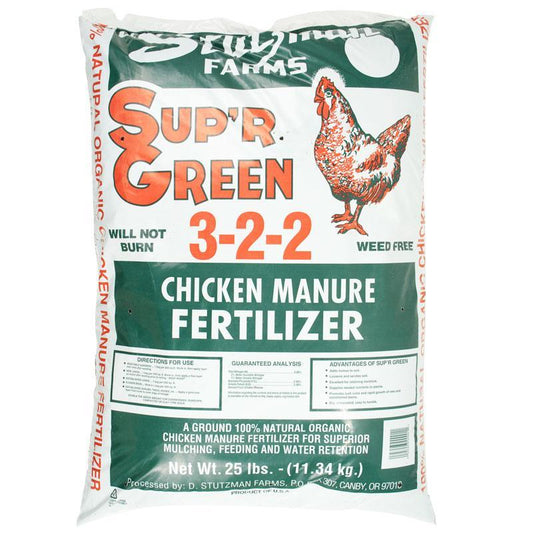
- Return the topsoil and enrich it with organic compost and a slow-release phosphorus and potassium fertilizer, such as a foothill fertilizer mix.
- Test your soil’s pH to ensure it’s neutral, around 7.
Planting Asparagus
Asparagus crowns, rather than seeds, are the best choice for a quicker harvest.
- Dig an 8-inch trench and add composted manure at the bottom. Cover the manure with 1–2 inches of soil.
- Space the crowns 18 inches apart, spreading the roots out like a squid. Cover with 2 inches of soil.
- As the asparagus grows, continue adding soil 2 inches at a time until it’s level with the surrounding soil.
Care and Harvest
- In the first year, avoid harvesting to allow the plants to establish.
- During the second year, perform a light harvest.
- From the third year onward, enjoy a full 8–12 week harvest season.
With proper care and soil preparation, your asparagus bed will provide you with fresh, organic asparagus for years to come.
Helpful Resources for Growing Asparagus
Want to learn more about starting and maintaining a successful asparagus bed? Check out these in-depth articles and guides from Grow Organic:
-
🌿 Asparagus Growth Stages and Care Tips – Understand how asparagus develops and what care it needs through each season.
-
🌱 Planting Asparagus Seeds vs. Crowns – Learn the differences between starting from seed versus crowns and which method is best for you.
-
🌾 Soil Preparation and Fertilization for Asparagus – Discover how to create nutrient-rich, well-drained soil that sets your asparagus up for long-term success.
-
🧬 Best Asparagus Varieties for Home Gardens – Explore top-rated varieties for different growing zones and garden sizes.
-
📘 Growing Asparagus at Home: A Comprehensive Guide – Everything you need to know, from choosing a planting site to long-term care and harvest tips.
- 🛒 Shop Asparagus Crowns – Browse our full collection of premium asparagus crowns, perfect for jumpstarting your perennial vegetable garden.