It’s really quite simple to apply your “outdoor” organic gardening knowledge to your house plants. Who doesn’t want a lush mass of greenery inside during the winter months? When the seasons shift, many house plants can head outside with you to enoy the fresh breezes of summer. Be an organic gardener without setting foot out of the house It’s time to reexamine your indoor gardening skills, and take a new look at your go-to products for dealing with any pests or diseases.…
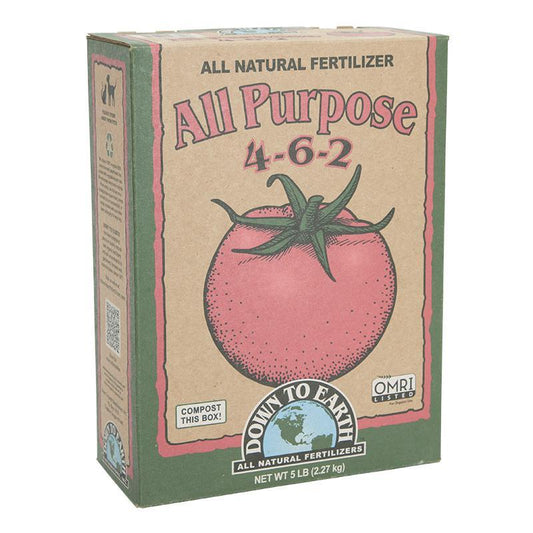
Hi I'm Tricia, an organic gardener and I grow organically for a healthy and safe food supply, for a clean and sustainable environment, for an enjoyable and rewarding experience. House plants are a wonderful addition to any decor and organic gardening isn't just for edibles it's great for your houseplants too. The first step to successful house plant care is to know the cultural requirements of the plants that you're growing. Find out how much light it likes, how much water and if it needs more humidity then your house normally has. Watering is usually the Achilles heel for house plant growers, you cant water by the calendar. For happy plants you have to water by the plants needs, use room temperature water and if you have chlorinated water let the water sit for about twenty four hours so that the chlorine can dissipate. Most house plants have the bulk of their roots in the bottom two-thirds of the pot so if you water when the top of the soil is dry you are probably over watering, a better indicator is the moisture meter like this or you can do a good old finger test, poke your finger up to your middle joint into the pot and only water the plant if the tip of your finger feels barely moist. It's important to let the topsoil dry out a bit this helps prevent pests like fungus gnats. There are two ways of watering: top watering is when you water the plant until the saucer fills up with water, once that's happened you throw away the water in the saucer cause you don't want the plant to be sitting in that water. You can bottom water by putting the pot into two to three inches of water and wait for it to wick up to the top of the soil. Tropical plants or citrus grown indoors usually like the climate to be a little bit more humid then what you'll have during the heating season in the winter. I'll show you a trick to make sure that these plants get as much humidity as they need: fill a saucer with gravel or rocks, add water and set the pot on top. It's important to fertilize your house plants, they live in very little soil so it's important to replenish the nutrients for house plants. Use a balanced fertilizer like this one from EB stone or Down-to-Earth or Dr. Earth, for a liquid fertilizer I like this Earth Juice grow. House plants should be fertilized every one to three months, March through September. Synthetic fertilizers often create problems with salt build-up and organic fertilizers take that hassle completely away. I also like to feed my plants with a healthy dose of liquid kelp so that I'm sure they get all the micro nutrients that they need, you can feed your plants by spraying it on them which is called foliar feeding for immediate uptake or you can make a soil drench. Pest can happen even on your house plants, dealing with them organically starts with prevention, choose the right plant for your spot, water and fertilize regularly. Use organic potting soil not garden soil and make sure to look out for pests. I like this Peaceful Valley organic potting soil because it stays fluffy, it has great moisture retention and its organic. Washing the leaves of your smooth leaved plants will help too, this makes sure that any accumulation of dust wont interfere with the sunlight. Using a soft moist cloth simply clean off the leaves periodically if they have small leaves take the plant outside and spray it down with lukewarm water, don't use a duster that can spread plant mites and eggs. Pick off any large pests you see sometimes if house plants are placed outdoors during the summer they can pick up hitchhikers. To get small pests like aphids off your plants wash the leaves with a soft cotton cloth and warm water, you can also clean off pests with a forceful spray of lukewarm water, sometimes it's best just to prune out some badly infested sections. You can also get these adhesive traps like these gnat sticks that just stick in the soil soil and this helps control house plant pests like aphids and fungus gnats and houseplant lice. If you're still having trouble there are organic controls labeled for house plants read all the labels and make sure that they're labeled for the pest that you want to control and that your label is for use on the species of plant that you have. Grow plants indoors and Grow Organic for life!
It seems unfair—just when we really need lettuce as the foundation of a summer salad, the lettuce wants to pack up and spend its summer at Lake Tahoe (or some other cool spot). Here’s how you…
read more»
Use a pond to raise fish for food on your property—we’ll show you the simplest ways to stock your pond with fish you’d like to eat. As the University of Arkansas Extension so penetratingly…
read more»
Planning, installing and using drip irrigation is easier than you think! Shaking in your garden boots at the thought of it all? Our step-by-step videos and articles will help you get the right amount of…
read more»
The expression “companion planting” sounds like garden lore you should have learned at your grandmother’s knee, right? If you missed out, you can now get the 21st century update on the…
read more»
Did you ever want to poison a gopher? If you have gophers in your garden you know how hard it can be to control them organically. One of the worst moments for a vegetable gardener is watching a tall tomato…
read more»
Everyone tells you to mulch your vegetable garden—but exactly how should you choose a mulch? In our new video, Tricia shows you the basics of mulching. What’s the difference between compost…
read more»
Most cover crops are planted in late summer, but there are some cover crop seed mixes that can go in the ground in the springtime and give you benefits by the end of the summer. Cover cropping is a cheap…
read more»
Just who is in a beehive? Three kinds of bees live in a hive: One female Queen bee Many female Worker bees A few male Drones God Save the Queen bee The term “Queen bee” is widely used to describe…
read more»
Do you grow roses? DId you ever think about growing them organically? That way you not only keep synthetic pesticides out of your garden and groundwater, but you can EAT and DRINK your roses too. In our…
read more»
Make your organic orchard bountiful by fertilizing your fruit trees. In our latest, research-based video, Tricia explains IF, when, and how much to fertilize your fruit trees. Keep reading here to learn…
read more»