

Let customers speak for us
Perfect
Good quality

Love it

Great

I love it I just Jarred up my first batch of sprouts this is a fun and a healthy 😊
Thank you

So far so good with new seeds. Not a surprise, we always have good luck with your seeds. Our last batch of clover is doing amazing. All our seedlings look fabulous. Great job

These were a lovely addition to my garden this Spring.

I grew these last for for the first time. Easy to grow and taste great.

I used this blend in my raised beds. Grew well, shoots were tasty.

I used Olivia's for the first time pn a propagation project. Results were awesome.

I used this pug set you for my rosemary propagation and had an excellent root rate.

This hori hori is great. Awesome price. Feels good in hand.

Must have for sharpening your felco pruners.

I had blight on an apple and pear tree this Spring. This product was easy to apply and worked well. My trees are looking healthier and happier.

I ordered two more rolls of this Sunbelt weed fabric; it was great that it was discounted. Still the quality of this product is the absolute main reason for my order. I have been using this fabric for more than five years; it gives me the ability to walk around my plants without getting my feet wet after a rain. Most important is the fact that this fabric protects the plants by enabling heavy water/rain run off while the plants absorb moisture through the fabric. Without this weed fabric, my grape vines would simply rot as they did before using this weed fabric. I also use this fabric around my tomato plants and cucumbers. I cut through the fabric with a sharp utility knife at the top of the planting area/circular from the top to the bottom (vertical radius); then the same left to right (horizontal radius). Then fold the fabric under to complete the planting area (their is some fraying, just cut this off with scissors). You really need the staples to hold down the seams where the fabric is overlaid; the staples are strong and can be reused when you un-staple a seam/outside edge and roll back/fold one long side of the material to get the soil ready for planting. I ordered two rolls as over the years some minor fabric repairs are needed; also there are areas where I constantly have to weed each year around flowers and rose bushes. I just finished putting this weed fabric around a group of three rose bushes to help in fighting ivy and weeds; it looks great and is working perfectly.
Fertilizers & Soil Amendments



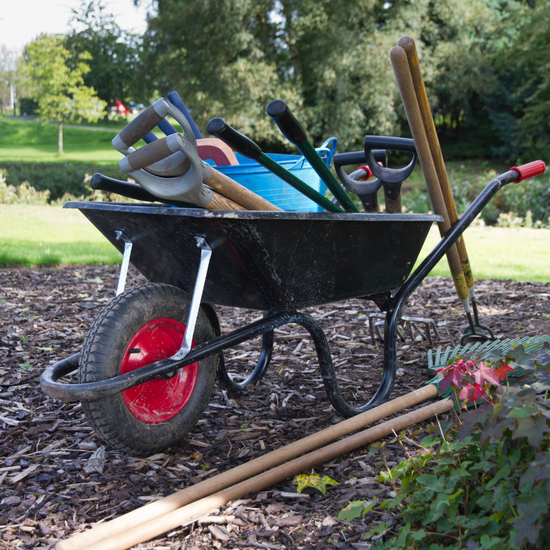
Essential Tools & Supplies for Spring Gardens


Irrigation & Watering


Protect Your Garden, Naturally
-
Garden Pest Control
Shop NowKeep your crops clean and chemical-free. Organic solutions to protect your vegetables, herbs, and flowers from common garden pests
-
Tree Pest Control
Shop NowDefend your fruit trees from the ground up. Targeted treatments that protect your harvest without harming the ecosystem
-
Pest Control Traps
Shop NowCatch pests before they catch your plants. Non-toxic traps designed to monitor and reduce pest pressure naturally
-
Pest Control Sprays
Shop NowFast-acting, organic sprays that stop infestations in their tracks — safe for your plants, your family, and the planet


Cover Crops For Every Need
-
-
Soil Building Mixes
Shop NowReplenish Nitrogen and Nutrients for the Next Season with Cover Crop Soil Buiders
-
Specialty Cover Crops
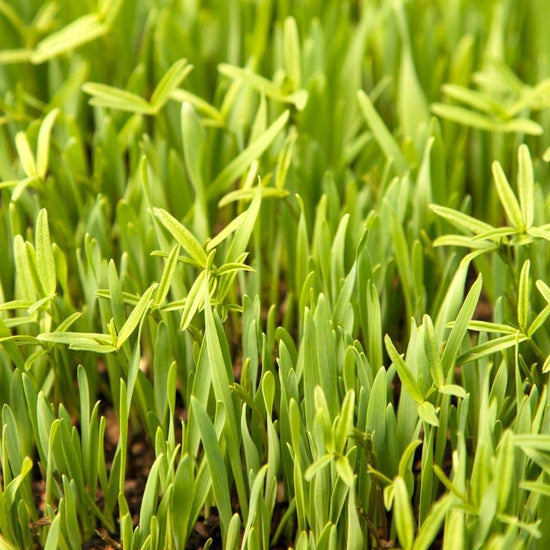
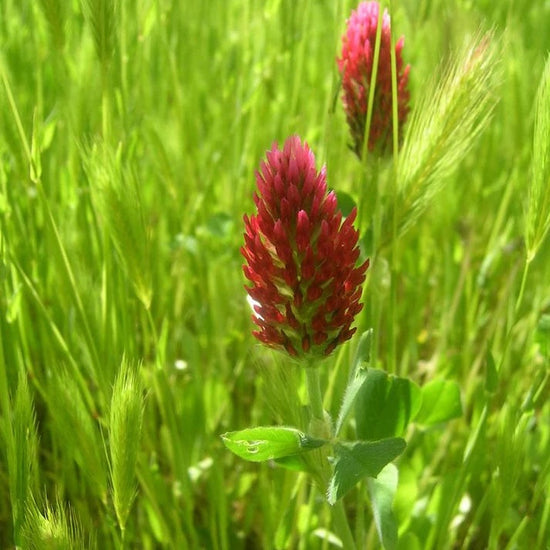
Shop NowDesigned for Erosion Control, Dry Pastureland, Good Bugs, Warm-Season Planting and More
-
Grasses & Lawn Alternatives
Shop NowBeautiful, Native Grasses & Low-Water Alternatives to the Traditional Lawns
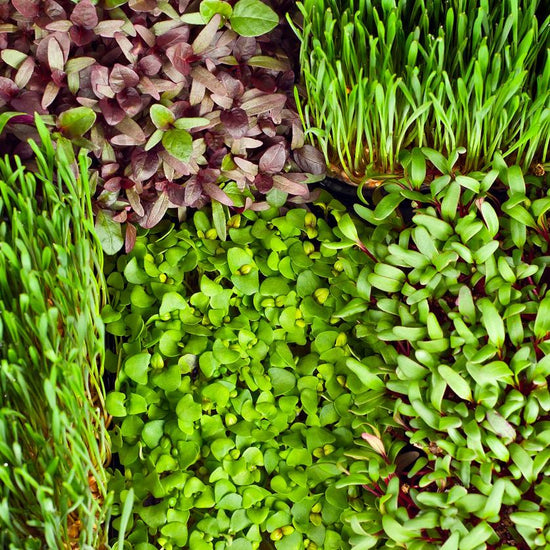
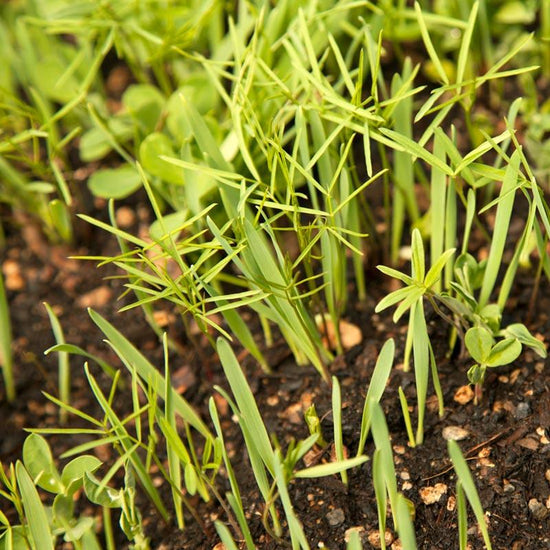
Featuring Organic & Non-GMO Seeds
-
-
-
-
All Seed Packs & Bulk Seed
Shop NowYour New Garden Starts Here with Hundreds of Organic & Non-GMO Seeds


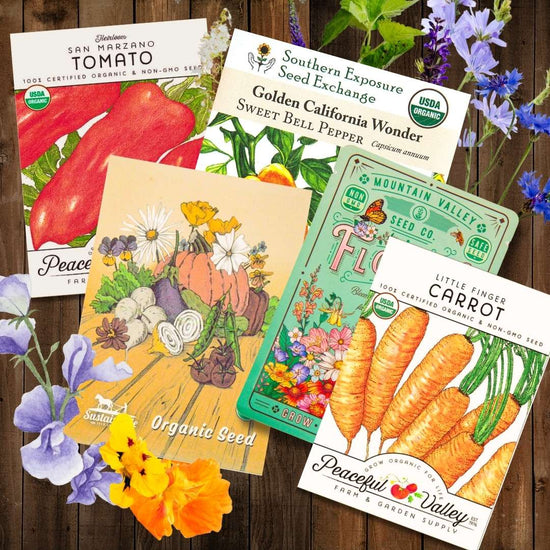
Grow Organic with Peaceful Valley Farm & Garden Supply:
Your Source for Organic Plants, Seeds, Gardening Supplies & More
Your Source for Organic Plants, Seeds, Gardening Supplies & More
-
All Products
Shop Now -
-
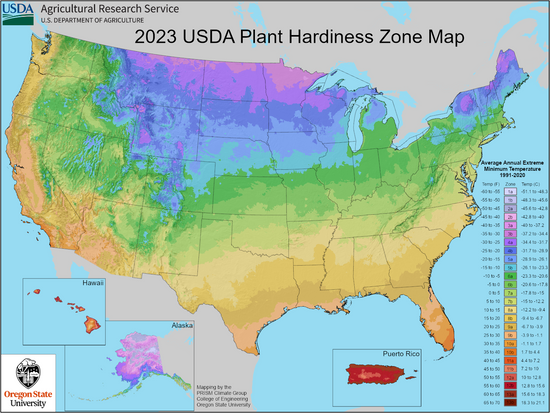
What's Your Growing Zone?
Learn Your Zone -
-
Grow Your Business with Grow Organic
Learn MoreFarmers, Commercial Buyers & Non-Profits and Independent Retailers

Grow Your Knowledge - Organic Gardening Resources
-

June Gardening Checklist: 19 Tips to Keep Your ...
June marks the beginning of the warm-weather months in most areas and is a key transition period for many gardening projects and plants. In this video, Tricia shares 19 tips...
June Gardening Checklist: 19 Tips to Keep Your ...
June marks the beginning of the warm-weather months in most areas and is a key transition period for many gardening projects and plants. In this video, Tricia shares 19 tips...
-

Hardneck Garlic vs Softneck Garlic: The Complet...
Curious about hardneck vs softneck garlic? Understanding the difference between hardneck and softneck garlic is key to choosing the right type for your climate and cooking needs. Hardneck garlic thrives...
Hardneck Garlic vs Softneck Garlic: The Complet...
Curious about hardneck vs softneck garlic? Understanding the difference between hardneck and softneck garlic is key to choosing the right type for your climate and cooking needs. Hardneck garlic thrives...
-

How to Grow Peppers
Why Grow Peppers? Peppers come in a dazzling array of colors, shapes, and flavors. Whether you're growing sweet bell peppers or spicy cayenne peppers, these plants are a delightful addition...
How to Grow Peppers
Why Grow Peppers? Peppers come in a dazzling array of colors, shapes, and flavors. Whether you're growing sweet bell peppers or spicy cayenne peppers, these plants are a delightful addition...


Grow Organic for life!
Our Story:
Since 1976, Peaceful Valley Farm & Garden Supply has been a trusted organic nursery and the go-to garden supply store for local home gardeners and commercial growers nationwide. We are a family-owned business in Grass Valley, California providing high quality organic gardening supplies, seasonal plants, and seeds to meet your needs. Whether you're planting your first tomato or running a full-scale farm, we’ve got you covered—with heirloom seeds, fruit trees, raised beds, soil boosters, and everything in between.
We're here to help you grow, every step of the way. You can find everything you need for gardening at our online nursery, GrowOrganic.com.
Your One-Stop Organic Gardening Partner
At Peaceful Valley Nursery, we believe healthy gardens start with responsible choices. Our collection of non-GMO and organic seeds and vegetable seeds provides a solid foundation for any garden. Elevate your environment more with high-quality tools and equipment, fruit and nut trees, and cover crops to build long-term soil health.
We offer raised bed kits, natural and organic fertilizers, and seasonal plants and flowers. These products meet the needs of all gardeners, from backyard hobbyists to large organic farms.