

The Art of Shaping Fruit Trees with Modified Central Leader Pruning
Pruning fruit trees can feel intimidating, but with a clear plan it’s totally doable—and even fun. This guide compares the Central Leader training system, the Vase or Open Center training system, and the Modified Central Leader training system, then shows you how to use modified central leader pruning to build a strong, productive tree.
We’ll cover how to trim fruit trees, which cuts to make and when, and simple steps that protect tree health from the first season through maturity.
For more background and species tips, explore our starter hub on fruit trees.
Why Training Systems Matter
Training is the big-picture shape of your tree. A good system puts light into the center of the tree, creates sturdy scaffold branches, and makes harvest easy. A poor shape, on the other hand, leads to weak crotches, shaded fruiting wood, and constant repairs.
If you’re shaping fruit trees for a home orchard—or planning high-density planting—a clear training system saves years of guesswork. See how spacing and shape work together in High-Density Planting and Pruning Fruit Trees for the Home Orchard.
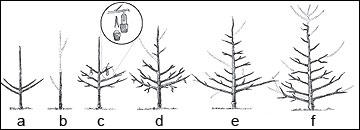
Central Leader Training System
What it is
The central leader system of training grows a single, upright trunk with tiers of well-spaced scaffold branches. Picture a cone or “Christmas tree”—tall at the center, narrower at the top. This classic central leader system is common for an apple tree and also works for pear trees.
Pros
- Excellent light distribution and strong structure
- Great for spur-bearing apples and pears
- Clear, predictable form for young trees and mature trees
Cons
- Can get tall; hard to pick without a ladder
- More shade low in the canopy if you never shorten the top
How to do it (basics)
- Planting / Year 1 (newly planted trees): Head a whip at 30–36 inches to set tier height, or select 3–4 well-spaced laterals as your first scaffold branches.
- Year 2: Keep one dominant leader; remove competing uprights with thinning cuts. Use light heading cuts on scaffolds to balance length.
- Year 3+: Add a second tier 18–24 inches above the first, again with 2–3 well-spaced branches. Maintain a gently tapered outline.
If you love the structure of central leader but want a shorter, easier tree, keep reading—this is where the modified central approach shines.
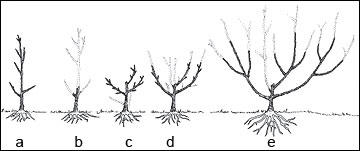
Vase or Open Center Training System
What it is
The open center (vase) system removes the strong central trunk early, creating 3–5 main scaffold arms that rise outward and leave the middle open to sunlight.
Pros
- Sunlight floods the canopy; fruit colors well
- Easy to pick and prune
- Popular for peaches, apricots, cherries, plums, figs, and almonds
Cons
- If scaffolds are too upright or crowded, they may be weaker
- Too much shading can still happen if large branches dominate the top
How to do it (basics)
- Year 1: Choose 3–5 evenly spaced scaffolds, remove the strong central shoot, and tip each scaffold with light heading cuts to encourage side branches.
- Year 2–3: Keep the center open with thinning cuts; shorten overly vigorous uprights.
- Ongoing: Maintain a bowl shape that you can step into with sunlight pouring down the middle.
For summer adjustments that slow vigor and improve light, see Reasons for Summer Pruning and our stone-fruit video, Pruning Cherry Trees and Apricot Trees (Summer).

Modified Central Leader Training System
Why it’s the “Goldilocks” option
The modified central leader system starts like a central leader (one trunk, tiered scaffolds) and then “modifies” the top. You shorten the leader to limit height and let light reach the center of the tree—borrowing the openness of the vase while keeping the strength of a trunked tree.
This is the method most home orchardists love. It’s flexible, adaptable, and easy to keep at a reachable size—perfect for a modified central leader apple tree, pears, and many stone fruits.
Pros
- Balanced light and structure
- Manageable height for picking and spraying
- Works across many species and yard sizes
Cons
- Requires a bit of judgment each year to keep the top in check
- Needs consistent fruit tree trimming to stay open and compact
How to do it (step-by-step)
Year 0–1 (newly planted trees)
- If your tree is a whip, head at 30–36 inches to set the first tier.
- If it has laterals, choose 3–4 wide-angled scaffold branches around the trunk and remove narrow, competing shoots with thinning cuts.
- Keep branches spaced vertically 6–10 inches to prevent crowding.
Year 2
- Keep a single leader to build height, but don’t let it dominate.
- Use heading cuts to keep scaffolds balanced; use spreaders or ties to widen angles and strengthen crotches.
Year 3
- Add a second tier 18–24 inches above the first.
- Modify the leader: shorten the top with a heading cut so the upper tier stays shorter than the lower tier. This shift is the heart of modified central leader pruning—it preserves light and control.
Year 4 and beyond
- Maintain height by lightly heading the uppermost branches each winter.
- Open the interior annually with thinning cuts.
- In the growing season, pinch or shorten fast, vertical shoots to keep the canopy bright and compact.
Want to see the cuts before you make them? Watch our walk-through: How to Prune Fruit Trees and species detail in How to Prune Apple Trees and Pear Trees.

When to Prune (Timing for Success)
- Dormant season / early spring: Best for structure work and bigger decisions in fruit tree pruning. You can see the bones of the tree and make confident choices.
- Summer (in the growing season): Light touch-ups to slow vigor, improve sunlight, and reduce disease pressure—especially for stone fruit. See Reasons for Summer Pruning.
If frost is due soon, pause big cuts and review Protecting Your Fruit Trees from Frost Damage.
The Essential Cuts (Plain Language)
- Thinning cuts: Remove a shoot or branch at its origin. This opens the canopy and reduces crowding without stimulating extra vigor. Great for unwanted duplicates, narrow crotches, or shaded clutter.
- Heading cuts: Shorten a shoot to a bud or side branch. Use to control length, stimulate side shoots, and keep tiers balanced.
- Always start by cleaning up: Remove dead, diseased, or damaged wood before you shape.
These pruning techniques keep the tree strong and productive without overworking it.
Tools, Safety, and Aftercare
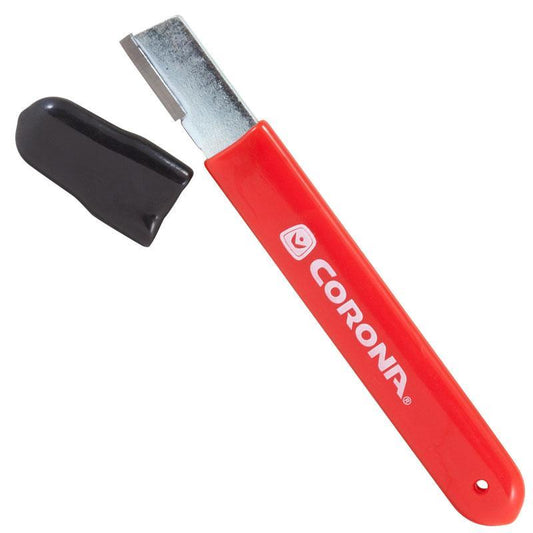
Smooth, clean cuts heal faster. Keep tools sharp and sanitized.
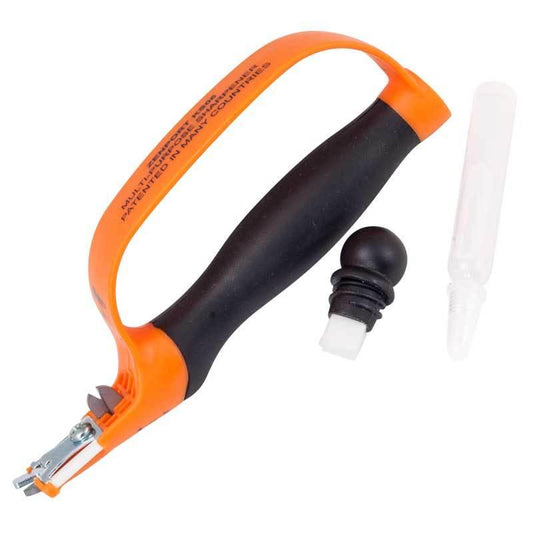
- Learn to sharpen in Sharpening Tools: Pruners, Loppers, Shovels & More.
- Avoid petroleum residues on blades.
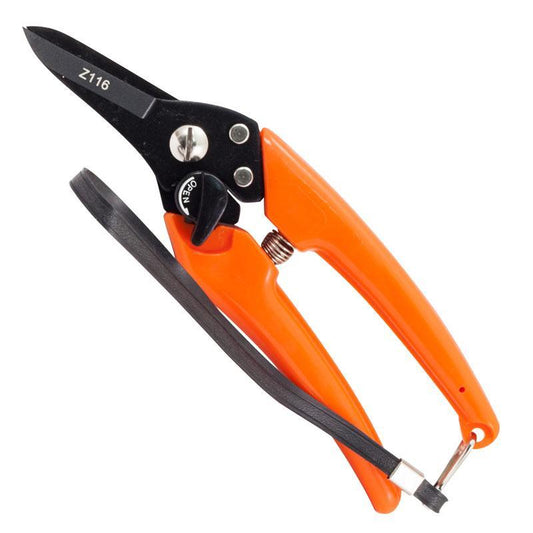
- Stock up on reliable gear in our Pruning & Cutting Tools.
Healthy growth also needs steady nutrition. Review When and How to Fertilize Your Fruit Trees and check local suitability with Fruit Tree Chill Hours Explained. Ready to plant? Explore our Fruit & Nut Trees collection.

Quick Guides by Tree Age
For newly planted trees
- Choose the system you want (central leader, open center, or modified central).
- Set the first tier with wide, sturdy scaffold angles.
- Use light heading to balance branch length.
For young trees (Years 2–3)
- Add a second tier if using central or modified central.
- Keep the leader under control in the modified central leader system so light reaches the interior.
- Remove duplicates with thinning cuts and keep the center bright.
For mature trees
- Maintain shape annually; never let upper branches outgrow the lower tier.
- Use thinning more than heavy heading to avoid water sprouts.
- Fix problems gradually over 2–3 winters rather than all at once.
Species Notes: Apple and Pear
- Apple tree: Naturally suits a leader. A modified central leader apple tree stays reachable and crops reliably if you limit top height and renew fruiting wood with thinning.
- Pear trees: Often very upright. Encourage side branching early with heading cuts, then hold density in check with thinning. For visuals, watch How to Prune Apple Trees and Pear Trees.
For cherries and apricots, many growers use open center and add summer adjustments; see Pruning Cherry Trees and Apricot Trees (Summer).
Conclusion
Each system has a place:
- Central leader: strong, tall, and orderly.
- Open center: sunny, low, and easy to reach.
- Modified central leader: the balanced, all-purpose choice for many yards.
If you want structure, sunlight, and control, modified central leader pruning is a smart path. Start with clear tiers, use thinning cuts to open the canopy, apply heading cuts to control length, and always begin by removing what’s dead or diseased.
Time your fruit tree pruning well, feed and water wisely, and your trees will reward you for decades.


4 comments
Jane, It is really hard to advise on what to prune without seeing the tree. If you prune when it is in bloom, you may be removing some blooms and thus apples. You can prune in summer to control size or winter to prune for shape. It is best to not prune when the tree is blooming.
Hello, it is March here in So Cal and my apple tree is in blossom. There are many long leggy branches that just shot up. Can I safely cut those back?
Jade, I am glad the article helped. Proper pruning is very essential to the health of the tree and to the quality and size of your harvest.
We have several apple trees in our yard and I am looking to know more about why I should prune them. It is good to know that pruning properly will help you maintain a tree that is a manageable size and grows larger fruit. I am also glad to know that with a tree who is properly trimmed, on can be ensured of a yearly crop. We will get the right equipment and use what we have learned in the article next time we prune. Thanks.