

You can see it all now -- it's a sunny day, and you're sitting at a wooden table in your olive grove, eating olives and crusty bread, and drinking wine with your friends and family. You grew and cured those olives yourself.
Key Steps for Determining Your Best Variety of Olive
- Determine your USDA hardiness zone and then choose your zone number in the sidebar under USDA Zone.
- Decide if you want olives for eating (Table), for oil production, or both. Keep in mind that olives must be cured before eating. Watch Tricia demonstrate how to cure olives using different methods.
Here Are A Few Suggestions Based on Climate
Cold Climates
Regions where temperatures can fall as low as 18°F and snow may fall occasionally. The selected varieties can withstand short periods of cold.
Moderate Climates
Regions where minimum temperatures are usually between 25-27°F, and rarely drop below 21°F. Most varieties sold in the US fall into this category.
- Most common varieties
Warm Climates
Regions where winter temperatures rarely fall below 28 to 32°F. Any warmer, and the trees do not receive the winter chill required for dormancy.
- Kalamata
- Manzanillo
- Arbequina
- Koroneki
Not all olive varieties are listed here, but each tree has a suggested USDA zone, which should be your guideline. Olive trees can be grown in pots for several years and brought indoors during cold winters.
Conclusion
If you love olives or want to try pressing your own oil, now is the time to plant an olive tree. Explore our selection of olive trees for sale and start your own grove today!

8 comments
May, Olives can take 2-5 years to start producing olives. The only problem is that we cannot ship olives to Florida, but you might be able to find them at a local nursery. I researched and found these were listed as the best varieties to grow in Florida, Koroneiki, Arbequina, Frantoio, Lecciana, Arbosana, or Little Ollie® Dwarf.
At almost 80, living in the Fl panhandle, we were devastated by a Cat 5 hurricane which denuded our acre of oaks and pines, removed our dense shade. I have worked 4 years trying to grow things, and plant trees not tall enough to kill us. We can grow citrus here, figs, papayas are iffy but my two look well we are in zone 8b. What olive would fruit here before I die? I don’t intend to for years. My 30 yo old tangerines and oranges are amazing. I grew them from pits. Thank you.
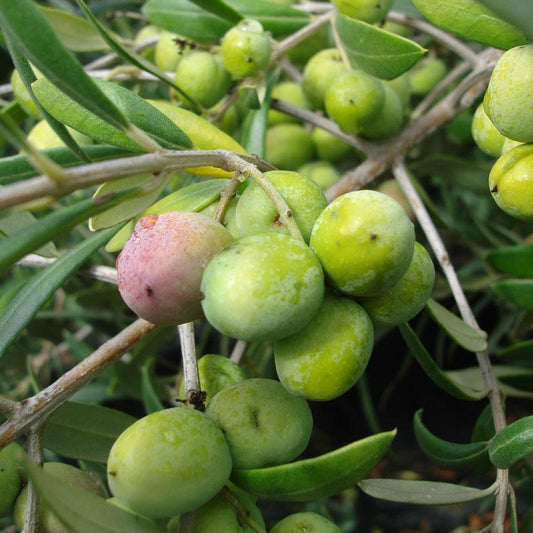
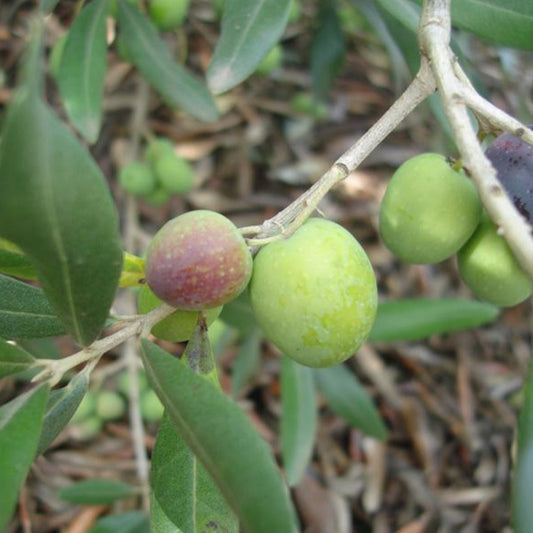
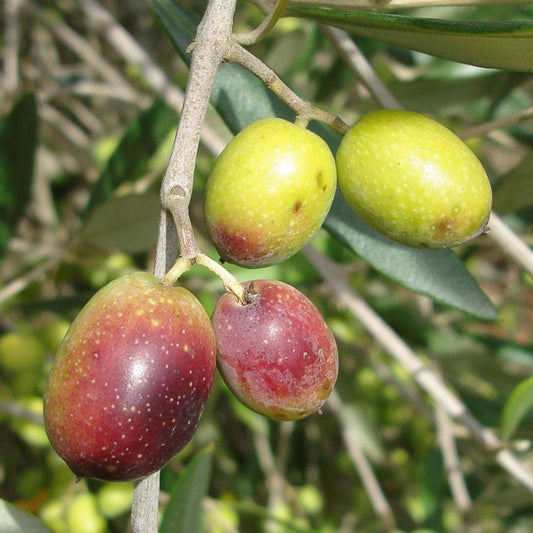
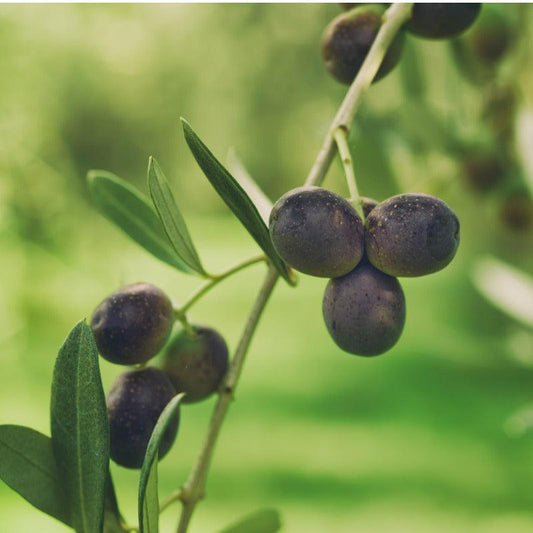
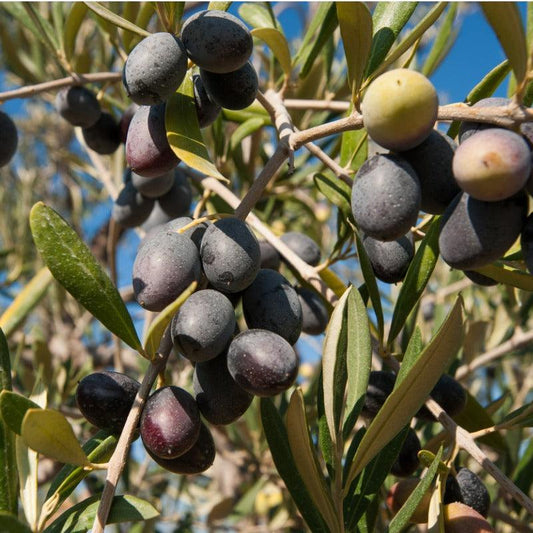
Don, olives start ripening in September and can ripen through November, it just depends on the variety you have and also what stage you want to pick. The color will indicate the level of ripeness. Green is the least ripe, a rosy color is ripe and black is the most ripe. We do not sell the Sevillano olive but there is lots of information on the web. It is a Spanish olive and so it the Manzanilla.
Can you indicate month olives can be harvested. Earliest when green to fully ripe.
Second: Manzanillo vs Sevillano How are they different?
Steve, the olives are not grafted.