Collection: All Bare Root Trees
Spend $300+ On Bare Root Trees and Get Free Shipping!

-
New
Calville Rouge Apple Tree
10% offRegular price $80.99Sale $80.99Unit price per$89.99Regular priceSale -
Sale
-
Sale
Dolgo Crabapple Tree
14% offRegular price $55.99Sale $55.99Unit price per$64.99Regular priceSale -
Sale
Dwarf Granny Smith Apple Tree
25% offRegular price $48.99Sale $48.99Unit price per$64.99Regular priceSale -
Sale
Golden Nectar Plum Tree
14% offRegular price $55.99Sale $55.99Unit price per$64.99Regular priceSale -
Sale
Arctic Glo White Nectarine Tree
25% offRegular price $48.99Sale $48.99Unit price per$64.99Regular priceSale -
Sale
Hachiya Persimmon Tree
38% offRegular price $49.99Sale $49.99Unit price per$79.99Regular priceSale -
Sale
Mariposa Plum Tree
25% offRegular price $48.99Sale $48.99Unit price per$64.99Regular priceSale -
Sale
-
Sale
Blue Damson Plum Tree
14% offRegular price $55.99Sale $55.99Unit price per$64.99Regular priceSale -
Sale
Heavenly White Nectarine Tree
25% offRegular price $48.99Sale $48.99Unit price per$64.99Regular priceSale -
Sale
Mericrest Nectarine Tree
14% offRegular price $55.99Sale $55.99Unit price per$64.99Regular priceSale -
Sale
-
Sale
Sierra Beauty Apple Tree
14% offRegular price $55.99Sale $55.99Unit price per$64.99Regular priceSale -
Sale
Granny Smith Apple Tree
25% offRegular price $48.99Sale $48.99Unit price per$64.99Regular priceSale -
Sale
Fuji Red Apple Tree
14% offRegular price $55.99Sale $55.99Unit price per$64.99Regular priceSale -
Sale
Arkansas Black Spur Apple Tree
14% offRegular price $55.99Sale $55.99Unit price per$64.99Regular priceSale -
Sale
Double Delight Nectarine Tree
25% offRegular price $48.99Sale $48.99Unit price per$64.99Regular priceSale -
New
Zaiger Pride Peach, 3 on 1 Multi Grafted Fruit Tree
Regular price $89.99Sale $89.99Unit price per$99.99Regular priceSold out -
New
California Peach, 3 on 1 Multi Grafted Fruit Tree
Regular price $89.99Sale $89.99Unit price per$99.99Regular priceSold out -
New
Low Chill Plum, 4 on 1 Multi Grafted Fruit Tree
Regular price $89.99Sale $89.99Unit price per$99.99Regular priceSold out -
New
Japanese Plum, 3 on 1 Multi Grafted Fruit Tree
Regular price $89.99Sale $89.99Unit price per$99.99Regular priceSold out -
New
Semi-Dwarf Pear, 2 on 1 Multi Grafted Fruit Tree
Regular price $79.99Sale $79.99Unit price per$89.99Regular priceSold out -
New
White Peach/Nectarine, 3 on 1 Multi Grafted Fruit Tree
Regular price $89.99Sale $89.99Unit price per$99.99Regular priceSold out -
New
Showy Flowers Peach/Nectarine, 3 on 1 Multi Grafted Fruit Tree
Regular price $89.99Sale $89.99Unit price per$99.99Regular priceSold out -
New
 Sold out
 -
New
 Sold out
North San Juan Blood Peach Tree
Regular price $89.99Sale $89.99Unit price per$99.99Regular priceSold out -
New
 Sold out
 -
New
 Sold out
Motherlode Bartlett Pear
Regular price $89.99Sale $89.99Unit price per$99.99Regular priceSold out -
 Sold out
 -
 Sold out
 -
 Sold out


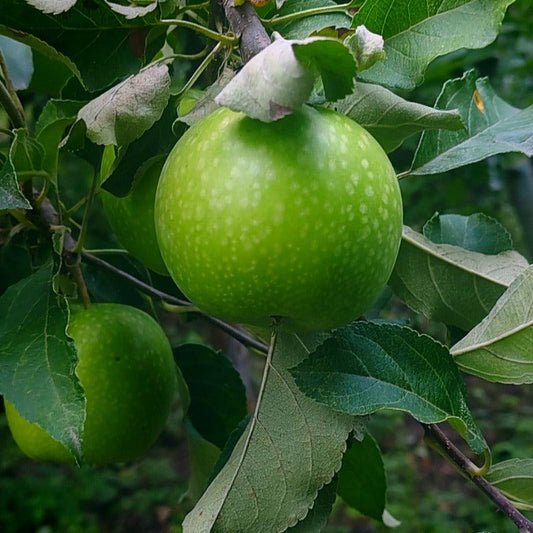

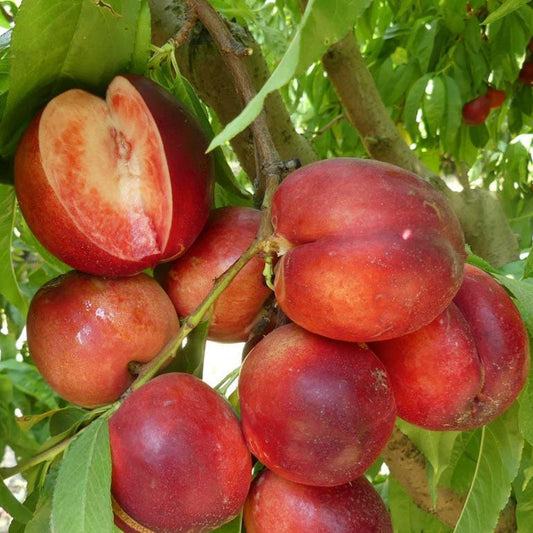
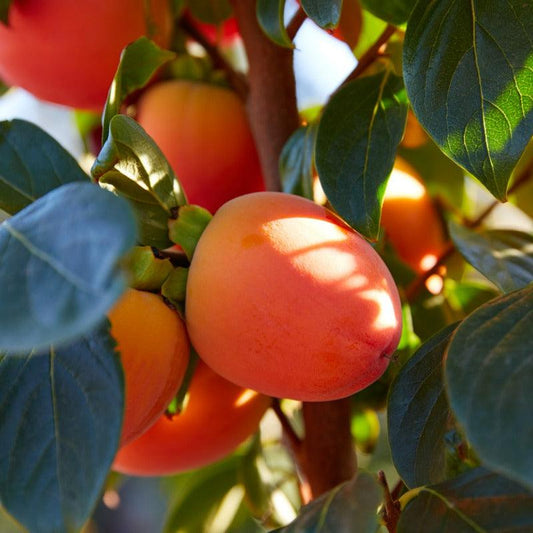
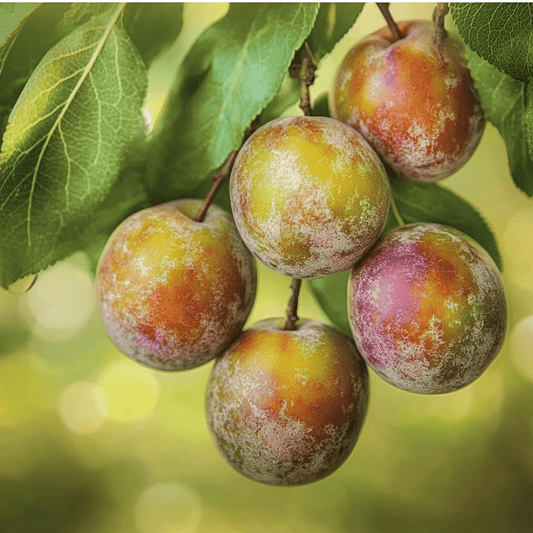

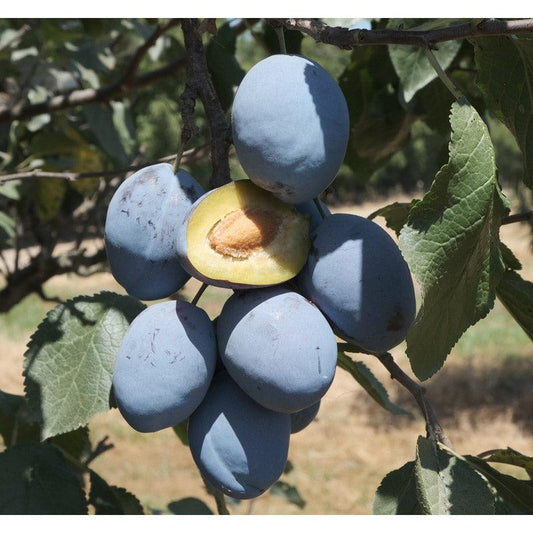
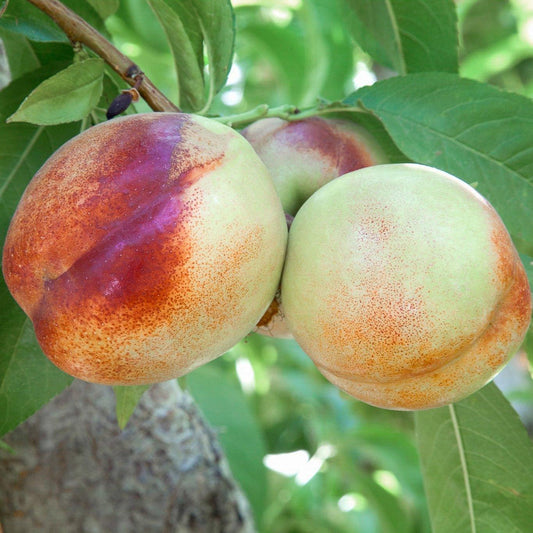
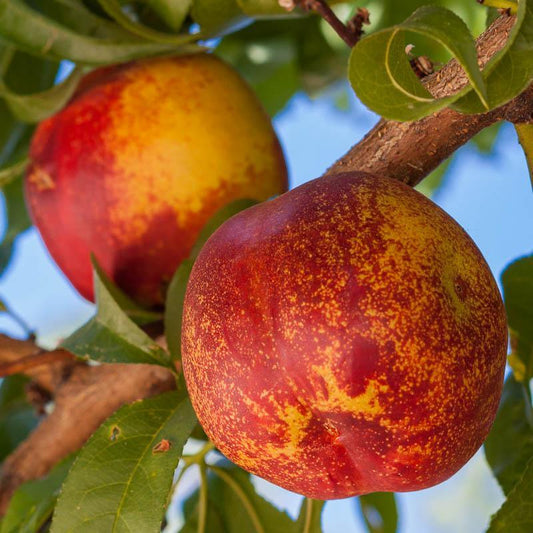
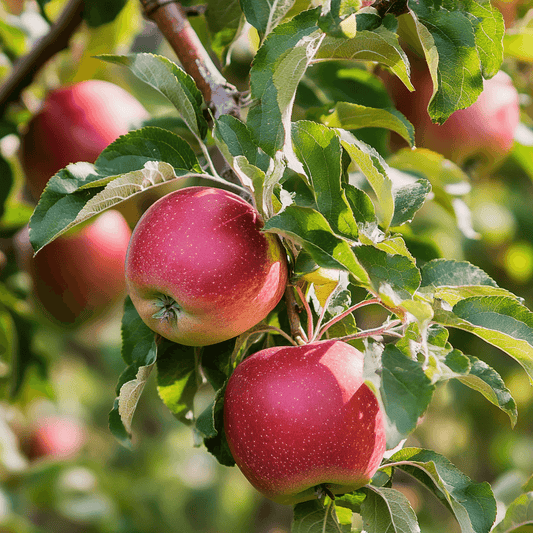





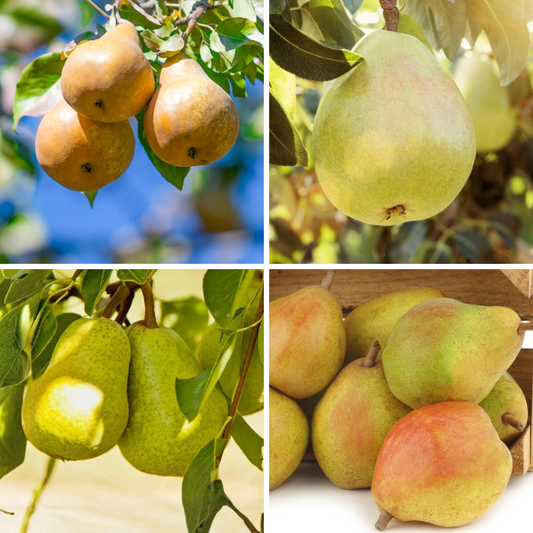




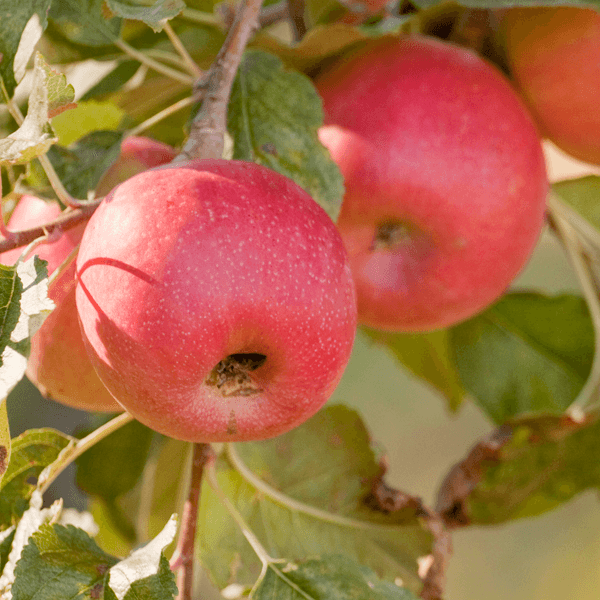
Collection: Bare Root Fruit Trees for Home Gardens, Farms, and Orchards
Explore our wide selection of bare root trees, including apples, pears, cherries, peaches, pluots, nectarines, persimmons, and more. We carry over 150 varieties of bare root fruit trees, from heirlooms to low-chill types and even multi-grafted options.
Because bare root trees are sold without soil, they’re lighter to ship, easier to handle, and establish quickly once planted. These young trees are cost-effective and give gardeners a strong start for building a productive orchard.
Browse our full collection of fruit and nut trees.
Why Choose Bare Root Trees?
When you choose a bare root tree, you’re getting:
- High quality stock – Most are 1–2 years old with a trunk caliper of ½″ to ⅝″, ideal for fast growth.
- Faster fruiting – Many varieties bear earlier than potted trees.
- Semi-dwarf sizes – Easier to prune, harvest, and care for.
- Lower cost – Lightweight and eco-friendly shipping.
- Guaranteed performance – We guarantee our bare root trees will leaf out by May 15th.
Learn more in our Bare Root Tree Selection Guide.
Matching Trees to Your Climate
Successful harvests start with the right variety. Match your tree to your:
- USDA growing zone – Use our zone lookup tool before ordering.
- Chill hours – Some root fruit trees need a certain number of winter hours to set fruit. Read our guide: Chill Hours: What Are They & Why They Matter.
Whether you live in a cold northern zone or a warm southern climate, there are bare root fruit trees that will thrive in your area.
Pollination and Compatibility
Some bare root fruit trees are self-fruitful, while others need a partner for cross-pollination. Plant varieties that bloom at the same time within 50 feet of each other for the best fruit set.
See our guide to Best Pollination for Your Fruit Trees to plan your orchard.
How to Plant Bare Root Trees
Planting bare root trees is simple with the right steps:
- Timing – Plant bare root trees during dormancy, usually late winter or early spring.
- Site Prep – Choose full sun and well-drained soil.
- Soak & Plant – Hydrate roots, then plant with the graft union just above soil level.
- Backfill & Water – Fill the hole gently and water deeply.
- Mulch – Apply 2–4″ of mulch to hold moisture and suppress weeds.
Learn more in Planting Bare Root Trees for Beginners and watch our video on The Journey of a Bare Root Tree.
Need supplies? Check our guide to planting supplies.
Caring for Bare Root Fruit Trees
For long-term success with bare root fruit trees:
- Prune after planting to establish strong form. See our Pruning 101 video.
- Water deeply during the first few years.
- Fertilize with organic products based on a soil test, following our guide on fertilizing newly planted fruit trees to give your trees the best start.
- Protect young trees from deer, rodents, or harsh winter conditions.
- Heel in your trees if planting is delayed. Watch how in our heeling-in tutorial.
For more tips, read Planting Your Bare Root Fruit & Nut Trees.
Start Growing with Bare Root Trees
From classics like Honeycrisp apple and Bartlett pear to unique options like multi-grafted “Fruit Salad” trees, our bare root fruit trees for sale give you endless choices. Whether you’re planting a single bare root fruit tree for your yard or starting a home orchard, these young trees are a smart, sustainable investment.
Explore more resources:
Bring your orchard dreams to life this season with high quality bare root trees shipped directly to your door.